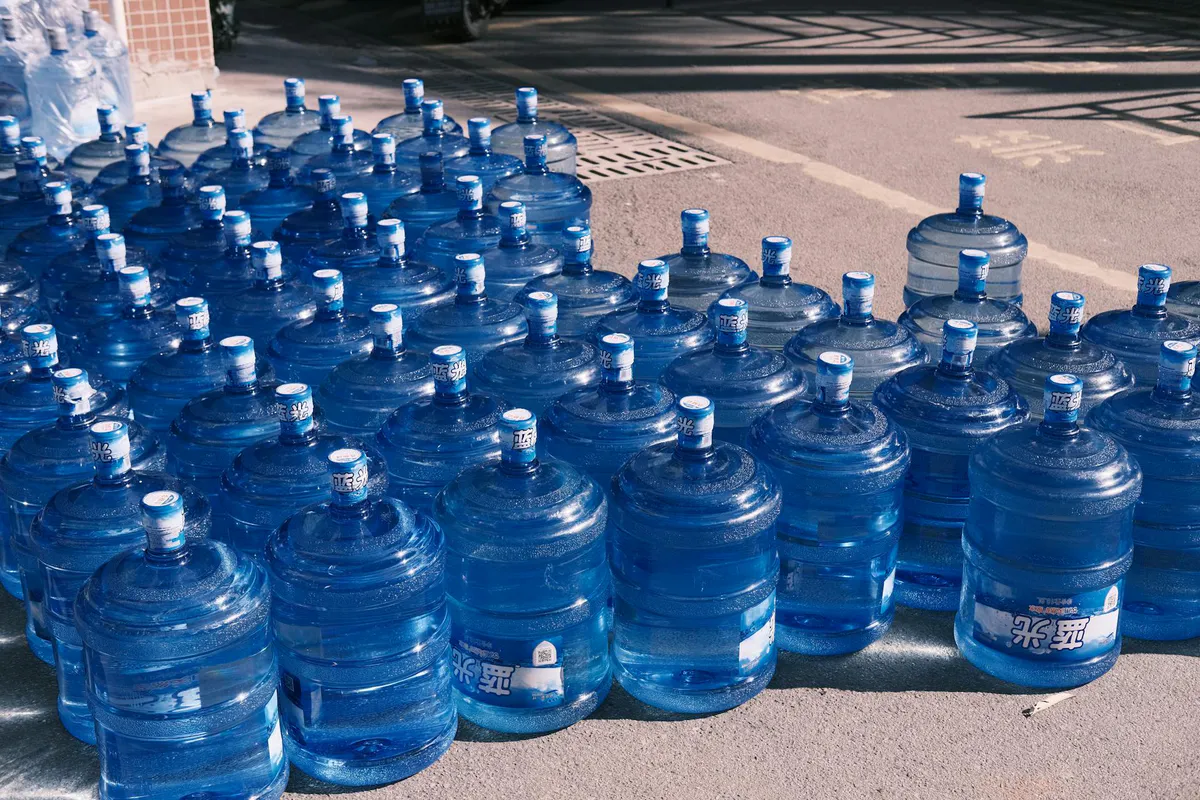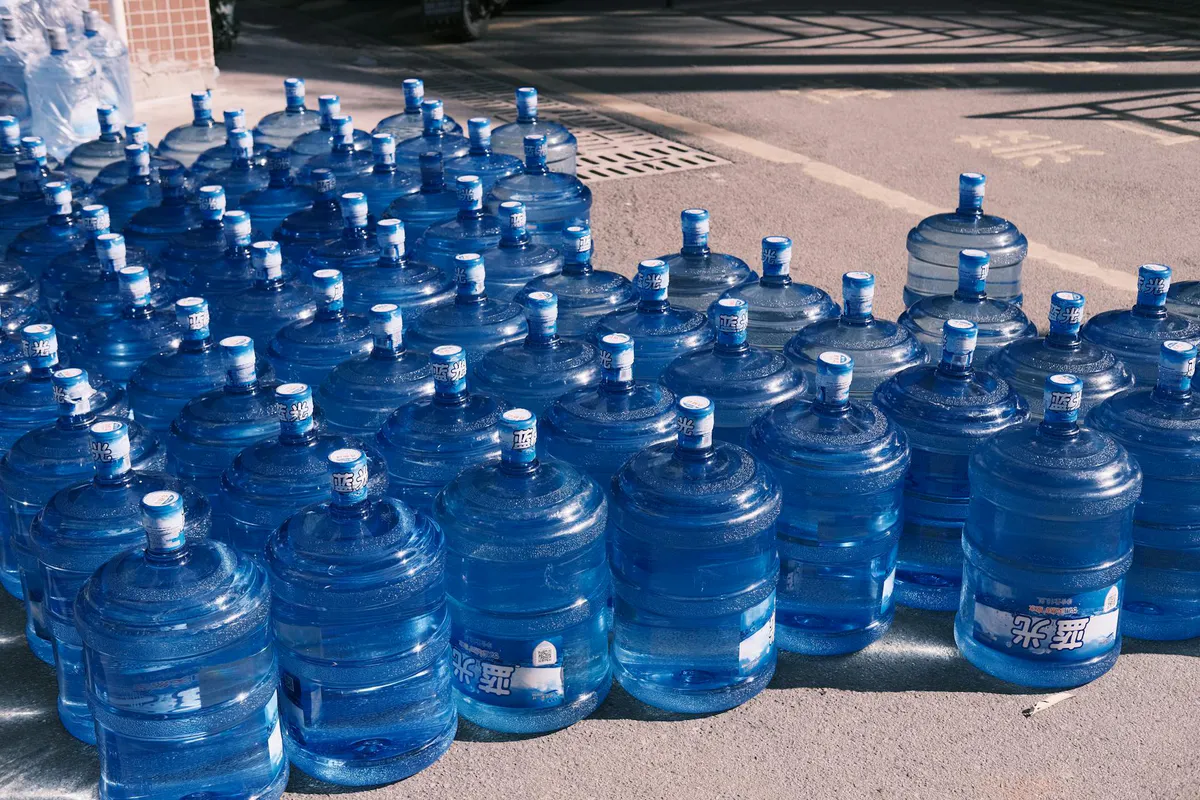

Clean water is the one prep you can’t improvise your way out of. You can stretch food for a surprisingly long time. You cannot do that with water. A person needs roughly a gallon a day for drinking and basic hygiene, and the tap can stop running for reasons as ordinary as a water main break, a boil-water advisory, or a storm that knocks out the treatment plant. On a small property, the challenge isn’t ambition. It’s space. You need a system that produces clean water and stores a reserve without taking over the garage.
There are really two jobs here, and they’re different. Filtration turns questionable water (rainwater, a stream, a cloudy tap) into something safe to drink. Storage holds a reserve of clean water for the days when nothing is flowing. Most people need a little of both: a filter for daily use and emergencies, and enough stored water to bridge a few days without buying it by the case.
Here’s the quick breakdown. Countertop gravity filters are the workhorses. They sit on the counter, run on gravity, and produce drinking water with no power. Portable filters are tiny, cheap, and live in a bug-out bag or a backpack. Water containers hold your reserve, and the rigid, stackable kind fit a small footprint best. And if you’re catching rainwater, a decent brass spigot is the unglamorous part that actually makes the barrel usable.
One rule before you buy anything: a filter and a purifier are not the same thing. A filter removes bacteria and protozoa (the stuff in most North American surface water). A purifier also handles viruses, which matters for floodwater, international travel, or any water that may have sewage contamination. Match the tool to the worst water you expect to drink.

Alexapure Pro Gravity Water Filtration System
The Alexapure Pro is the countertop gravity filter most small-property owners should buy. It’s a stainless steel canister that sits on the counter like a drink dispenser. You pour water in the top, gravity pulls it through the filter elements, and clean water collects in the lower chamber where a spigot lets you fill a glass. No electricity, no plumbing, no water pressure. It works whether the power is on or off, which is the entire point.
Each filter element is rated for roughly 5,000 gallons. For a household of two to four people, a single element can last a long time before replacement. The element uses a multi-stage media (ceramic shell over a carbon and proprietary blend) that reduces a long list of contaminants: bacteria, cysts, many heavy metals, chlorine, and the chemical tastes that make tap water unpleasant. It is the kind of filter you can run every day for the taste improvement alone, then lean on hard when the tap goes sideways.
The lower chamber holds about 2.25 gallons of finished water, so you keep a small reserve ready without thinking about it. The trade-off with any gravity system is flow rate. It filters at the pace gravity allows, not on demand. The fix is simple: top it off in the evening so there’s a full reservoir in the morning. Treat it like a coffee maker you keep loaded, not a faucet.
As a mid-range buy, it costs more than a filter pitcher, but it filters far more thoroughly, holds more water, and the per-gallon cost over the life of an element is low. For a permanent countertop system that doubles as your emergency filter, this is the one.
Alexapure Pro Gravity Water Filtration System
LifeStraw Family 1.0 Gravity Water Purifier
The LifeStraw Family 1.0 is the one to grab when the water itself is the problem. Where a filter removes bacteria and protozoa, the Family 1.0 is a true purifier. Its 0.02-micron hollow-fiber membrane is fine enough to physically remove viruses, not just bacteria and parasites. That matters for floodwater, water that may carry sewage, or any situation where you genuinely can’t trust the source. It’s the difference between “probably fine” and “actually safe.”
It runs on gravity like the Alexapure but in a more packable form. You fill a hanging bag with raw water, the water flows down a tube through the membrane, and clean water comes out a tap at the bottom. There are no batteries, no chemicals, and nothing to pump. The whole thing folds down small enough to live in a closet or an evacuation kit, then deploys in minutes when you need it.
Capacity is the headline number: it purifies up to 4,755 gallons (about 18,000 liters) before the membrane is spent. That’s enough to supply a family for years. There’s no schedule of replacement cartridges to buy, and LifeStraw products don’t expire sitting on a shelf, so it’s a genuine set-and-forget emergency purchase.
The trade-offs are about polish, not safety. The bag-and-tube setup is less tidy than a steel countertop unit, and there’s no carbon stage, so it won’t improve taste the way the Alexapure does. As a daily-driver it’s fine; as a pure emergency purifier for the worst-case water, it’s hard to beat for the price.
Sawyer Squeeze Water Filtration System
The Sawyer Squeeze is the filter that goes everywhere with you. It weighs about three ounces and is roughly the size of a soda can. It threads onto the included squeeze pouches, most standard disposable water bottles, and many hydration packs. You fill the pouch from a stream, rain barrel, or questionable tap, screw on the filter, and squeeze clean water straight into your mouth or another container. There’s no setup and no waiting.
The 0.1-micron hollow-fiber membrane removes 99.99999% of bacteria (E. coli, salmonella, cholera) and 99.999% of protozoa (giardia, cryptosporidium). That covers the contaminants you actually encounter in North American surface water. What it does not remove is viruses, so it’s a filter, not a purifier. For backpacking, day hikes, and bugging out in a developed-world setting, that’s exactly the right tool. For floodwater or sewage-contaminated water, reach for the LifeStraw Family instead.
The longevity is almost absurd for the size and price. Sawyer rates the filter for up to 100,000 gallons as long as you backflush it. The included syringe pushes clean water backward through the fibers to clear out trapped sediment and restore flow. Do that periodically and a single filter can realistically last for years of regular use.
At a budget price, every member of the household can have one in their pack and you’ve barely spent anything. The squeeze pouches are the weak point. They wear and eventually split, but replacements are cheap, and you can run the filter on a standard plastic bottle in a pinch. This is the easiest “buy several and forget about it” item on the list.
Reliance Aqua-Tainer 7-Gallon Water Container
Once you can filter water, you need somewhere to keep a reserve, and the Reliance Aqua-Tainer is the cheapest container worth owning. It’s a rigid, BPA-free seven-gallon jug with a reversible hideaway spigot and a screw-on vent cap. Fill it from a filtered source, store it, and when you need water you flip out the spigot, open the vent, and pour. Seven gallons is about a week of drinking water for one person, or a few days for a couple.
The rigid construction is what sets it apart from collapsible jugs and cheap soft containers. It stacks when empty for storage, holds its shape when full, and the thick walls shrug off the dings of being moved around a garage or shed. The vent cap is a small detail that matters: open it and water actually flows instead of glugging out in frustrating bursts.
Seven gallons of water weighs about 58 pounds, so a full Aqua-Tainer is heavy and a little awkward to lift by the handle. That’s physics, not a flaw, and it’s the main reason to store several smaller containers rather than one giant tank. The spigot can drip if it isn’t seated firmly, so check the seal after the first fill.
At a budget price each, the move is to buy a few and stage them. Three or four containers give a small household a meaningful multi-day reserve, and you can scatter them where there’s room rather than dedicating one big footprint to water. It’s the no-frills baseline of emergency storage.
Reliance Aqua-Tainer 7-Gallon Water Container
WaterBrick Stackable 3.5-Gallon Storage Containers
WaterBricks solve the problem that defines small-property prepping: where do you actually put the water? Each brick holds 3.5 gallons in a food-grade, BPA-free HDPE container shaped to interlock. They stack like oversized LEGO, locking together into a stable column that won’t shift or topple. You can build a wall of water in a closet, under a stair, or along a garage shelf and use vertical space you were wasting.
The 3.5-gallon size is deliberate. A full brick weighs about 30 pounds, which is heavy but liftable by one person, unlike a full 55-gallon drum that’s a permanent fixture once you fill it. That makes WaterBricks the rare large-storage option you can actually rotate and rearrange. Each has a molded handle and a sealed lid, and a ventilated spigot accessory is available so a stacked column can dispense without unstacking.
The interlocking design also means you can mix uses. WaterBricks are rated for dry goods too, so the same containers can hold rice, beans, or flour when you’re not storing water in them. For a small property that needs flexible, reconfigurable storage rather than one big tank, that versatility is worth a lot.
They’re sold in multi-packs at a mid-range price depending on quantity and color, and the per-gallon cost runs higher than a single Aqua-Tainer. You’re paying for the stackability and the build quality. The narrow fill opening also makes hand-cleaning a little fiddly. If your constraint is square footage rather than budget, WaterBricks store the most water in the least floor space of anything here.
WaterBrick Stackable 3.5-Gallon Storage Containers
RTS Home Accents Rain Barrel Brass Spigot Kit
If your water plan includes catching rain, the spigot is the part that quietly makes or breaks the system, and the RTS Home Accents brass kit is the upgrade most barrels need. Many rain barrels ship with a plastic spigot that cracks in the sun, leaks at the threads, or snaps off after a season or two. This kit replaces it with a solid brass spigot that resists corrosion and UV and gives you a reliable, drip-free outlet you can hook a hose or watering can to.
The kit also includes a replacement debris screen, the mesh that sits at the inlet to keep leaves, twigs, and mosquitoes out of the barrel. Screens degrade and tear over time, and a torn screen turns a rain barrel into a mosquito nursery, so getting a fresh one in the same kit is a genuine convenience. Together the spigot and screen cover the two parts of a barrel most likely to fail.
To be clear about what this is: it’s collection plumbing, not a water filter. It does not make rainwater drinkable. Rain runs off your roof and picks up dust, bird droppings, and shingle grit, so barrel water is for the garden by default. If you want to drink it, run it through the LifeStraw Family or Alexapure above. The spigot’s job is simply to get the water out of the barrel cleanly and on demand.
As a budget buy, it fits most standard plastic rain barrels. You may need a wrap of thread tape on the spigot threads to get a perfectly dry seal, but that’s a two-minute job. For anyone collecting rainwater on a small lot, it’s the cheap fix that turns a leaky, frustrating barrel into one that actually works.
RTS Home Accents Rain Barrel Brass Spigot Kit
How We Picked These
Our selection focused on these criteria:
The right tool for the water. We separated filters from purifiers and storage, and we’re explicit about which removes viruses and which doesn’t. The worst water you might drink determines what you should buy, so we picked options that cover the realistic range from clean tap to floodwater.
Works without power. Every filter here runs on gravity or hand pressure. In the emergencies where clean water matters most, the power is often out too. Anything that needs electricity to run got left off the list.
Small-property footprint. We favored countertop units, packable filters, and stackable or rigid storage that fits a garage shelf or a closet. Large-scale tanks and whole-house systems meant for acreage were excluded.
Honest longevity and cost. We weighed the per-gallon cost over a filter’s rated life, not just the sticker price, and we looked for storage you can actually lift, rotate, and reconfigure rather than fill once and abandon.
Frequently Asked Questions
Before You Buy
Gear is only half the picture. How much you store, how you treat rainwater, and how you keep a reserve fresh all shape which products make sense:
- How to filter rainwater to drink. Turning roof runoff into safe drinking water, step by step.
- How to store water long-term. Keeping a reserve fresh, safe, and ready for years.
- How much water to store per person. Sizing your reserve so you buy the right number of containers.
Bottom Line
For most small properties, the core kit is two items. Get the Alexapure Pro as your everyday countertop filter and main line of defense, then add a few Reliance Aqua-Tainers or a stack of WaterBricks to hold a multi-day reserve. That combination filters daily drinking water and gives you something to fall back on when the tap stops.
Build out from there based on your situation. Toss a Sawyer Squeeze in every backpack and bug-out bag for a few dollars each. Keep a LifeStraw Family 1.0 on the shelf as your worst-case purifier for floodwater or untrusted sources. And if you’re catching rain, the RTS brass spigot kit is the cheap upgrade that makes a barrel genuinely usable. Start with the filter and a reserve, then layer in the rest as your needs grow.