
Canning your own food is one of those skills that feels old-fashioned until you do it. Then you realize why your grandparents did it. You grow tomatoes in August, can them in September, and eat pasta sauce in February that tastes like summer. There is nothing in a store that compares.
But canning has rules, and breaking them can make people sick. Botulism is rare but real, and it comes from improperly canned low-acid foods. The good news is that following the rules is straightforward. The two things you need to understand before buying equipment are the difference between water bath canning and pressure canning.
Water bath canning uses boiling water (212F) to seal jars. It works ONLY for high-acid foods: fruits, jams, jellies, pickles, and tomatoes with added acid. The acid keeps botulism spores from growing, so boiling is enough to destroy the molds, yeasts and bacteria that can spoil high-acid food. A water bath canner is just a big pot with a rack. Entry cost is low.
Pressure canning uses steam pressure to reach 240 to 250F, the range the National Center for Home Food Preservation says is needed to destroy botulism spores in low-acid food. You MUST pressure can all low-acid foods: meats, poultry, fish, vegetables, soups, stocks, and beans. There is no safe alternative. A pressure canner is a mid-range purchase and has a learning curve, but once you’ve done it twice, it becomes routine.
If you can buy only one, make it the pressure canner. Presto says the 23-quart model doubles as a boiling-water canner for fruits, jams, jellies, pickles and salsa (follow its manual for that setup), plus it handles meats and vegetables. The water bath pot is cheaper and slightly easier, but it limits what you can preserve.
Presto 23-Quart Pressure Canner
The Presto 23-quart is a straightforward first pressure canner at a mid-range price. Presto rates it for 7 quart jars, 20 pint jars or 26 half-pints per batch. That’s enough to work through a bushel of tomatoes or a big batch of chicken stock in a few loads.
This model uses a dial gauge that shows the pressure inside the canner, and you adjust the burner to hold the pressure your tested recipe calls for at your altitude. The National Center for Home Food Preservation says to check dial gauges for accuracy before use each year, because a gauge that reads high leads to under-processed, potentially unsafe food. Ask your county extension office whether it tests gauges.
The Presto also works as a regular pressure cooker for everyday cooking: beans, tough roasts and stock all come out faster than on a regular stovetop. Buying one piece of equipment that does double duty is smart.
First-time users find pressure canning intimidating. That’s normal. Presto builds in an air vent and cover lock that lets pressure build only when the lid is closed properly and keeps the lid from opening until pressure is safely down. Follow the instructions, process at the correct time and pressure for your altitude and recipe, and you’ll produce safe, shelf-stable food.
The Presto is made of aluminum, which is lighter than stainless steel. This makes it easier to handle when full. The downside is that this model isn’t made for induction cooktops. If you have an induction range, Presto sells a 23-quart induction-compatible canner with a stainless steel-clad base.
Ball Mason Jars
You can’t can without jars. Ball has made canning jars since 1884, and its jars are the ones most canning instructions assume. They come in two mouth sizes (regular and wide) and multiple capacities (half-pint, pint, quart, and half-gallon).
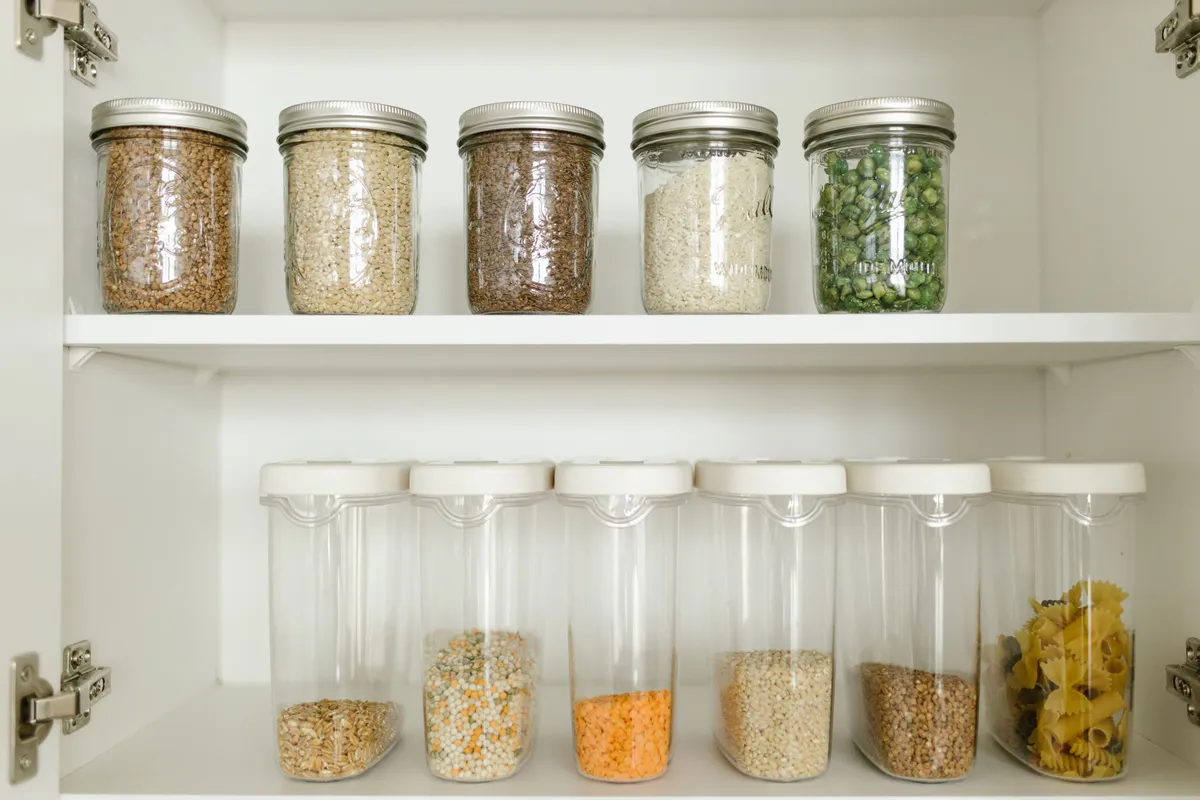
Wide mouth jars are what you want for most canning. The opening is large enough to pack whole fruit, chicken pieces, and chunky soups. They’re also much easier to clean. The wider opening means you can get a sponge inside without a bottle brush. For daily use (storing leftovers, drinking glasses, dry goods storage), wide mouth is more versatile.
Regular mouth jars are fine for jams, jellies, sauces, and other pourable items. The lids cost slightly less than wide mouth lids. Some people prefer the look for gift jars.
The jars themselves are reusable for years (as long as they’re not chipped or cracked). Inspect the rim before each use. Any chip on the rim prevents a proper seal. The flat lids with the sealing compound are single-use, so use a new lid every time you process a jar. Rings (bands) are reusable until they rust.
Buy in cases of 12. Check the current price per case for pint or quart jars. Start with 2-3 cases to have enough for your first canning session with extras for replacements. Over the years, you’ll accumulate hundreds of jars. That’s normal.
Granite Ware Water Bath Canning Kit
If you’re only canning high-acid foods (jams, pickles, tomato sauce, fruit), a water bath canner is all you need. The Granite Ware 8-piece kit comes with a 21.5-quart enamel-on-steel pot with lid, a jar rack that holds 7 quart jars, and a five-piece tool set: jar lifter, magnetic lid lifter, funnel, jar wrench and bubble remover. The rack keeps jars off the bottom of the pot (important for even heat circulation) and has handles that hook on the rim so you can lower and raise jars without reaching into boiling water.
The process is simple. Fill jars with your prepared food, wipe the rim, apply a lid and ring, lower into the boiling water, and process for the time specified in your recipe. The boiling water heats the contents to 212F, driving air out of the jar. As the jar cools, the lid seals with an audible “pop.” For best quality, the National Center for Home Food Preservation recommends canning only what you’ll use within a year and storing jars at 50 to 70F.
The enamel coating on the pot prevents reactions between the steel and acidic foods. Over time, the enamel can chip, especially if you bang jars against the sides. Handle it gently and it lasts for years. Some canners prefer using a regular stainless steel stockpot with a rack instead, which works just as well and avoids the chipping issue.
As a budget buy, this is an inexpensive entry into home canning. If you’re nervous about pressure canning, start here. Make a batch of strawberry jam or dill pickles. The confidence you build with water bath canning makes the transition to pressure canning feel less daunting.
COSORI Premium Food Dehydrator
Not everyone wants to do traditional canning. Dehydrating is a simpler preservation method that requires less equipment, less time, and less precision. You slice food thin, arrange it on trays, set the temperature, and walk away. The machine does the rest.
The COSORI is our pick for a home dehydrator. Six stainless steel trays (not plastic, which absorbs odors and stains) provide about 6.5 square feet of drying space. The rear-mounted fan circulates air evenly so you don’t need to rotate trays. A digital timer and temperature control (95-165F) let you dial in the right settings for whatever you’re drying.
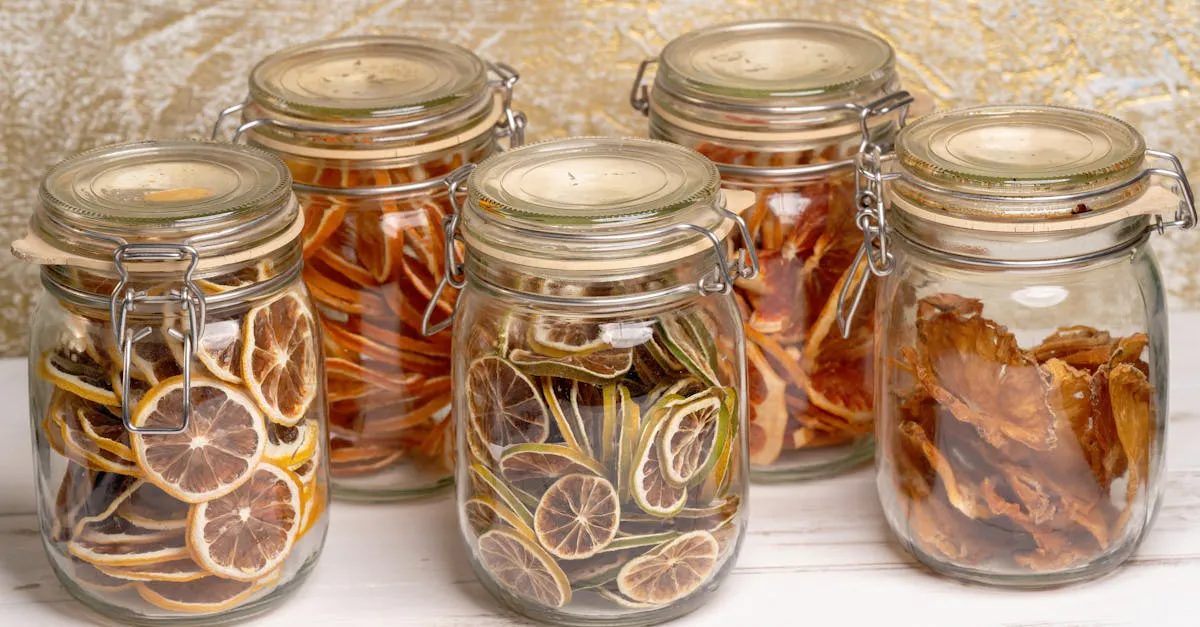
What can you dehydrate? Herbs from the garden (better than any store-bought dried herb). Tomatoes (sun-dried tomato flavor without the sun). Jerky from thinly sliced beef or venison; the USDA recommends heating meat to 160F (poultry to 165F) before drying, because a dehydrator alone may not get it hot enough to kill bacteria. Fruit leather from pureed fruit. Peppers, onions, garlic, mushrooms, and zucchini for soups and stews. The National Center for Home Food Preservation gives dried foods 4 months to 1 year in cool, dark, airtight storage, and the warmer the spot, the shorter that gets.
The trade-off compared to canning: dehydrated food changes texture. Rehydrated tomatoes are fine in sauce but not great on a sandwich. Jerky is a whole new food, not preserved steak. Canning preserves texture and flavor closer to fresh. Dehydrating concentrates flavor but alters form.
I see dehydrating and canning as complementary, not competing. Can your sauces, soups, and meats. Dehydrate your herbs, jerky, and fruit snacks. Use both methods and you’ll preserve everything your garden and kitchen produce.
How We Picked These
Safety first. Canning equipment must be capable of producing safe, shelf-stable food. Every canner here is a type the USDA’s tested home canning processes are written for: a stovetop pressure canner for low-acid foods and a boiling-water canner for high-acid foods. No shortcuts, no “hacks,” no equipment that could lead to unsafe preservation.
Beginner accessibility. Every product on this list can be used by someone who has never canned before, with the help of a good recipe book or the USDA Complete Guide to Home Canning (free online). We excluded professional-grade equipment that assumes prior experience.
Value. Home canning should save you money over time, not bankrupt you getting started. We focused on equipment that gets you canning without overbuying (pressure canner + jars + tools).
Versatility. Equipment that does double duty (pressure canner as daily cooker, dehydrator for snacks beyond preservation) scored higher.
Frequently Asked Questions
Before You Buy
Canning is one piece of a bigger food-storage plan, so it’s worth seeing how it fits before you invest in gear:
- Storing food long-term: where home-canned food fits in a deep pantry.
- Freeze-drying vs dehydrating vs canning: which method is right for what you’re preserving.
- Best long-term food storage kits: ready-made buckets are another route if you’d rather not put food up jar by jar.
- Best Mylar bags and oxygen absorbers: pack your own dry staples to last decades as a companion to what you can.
Bottom Line
Here’s your beginner canning shopping list. The mid-range Presto 23-Quart Pressure Canner and Ball Mason Jars in two or three cases. Price the canner, jars and tools together before you buy. That equipment will last for years and process everything your garden produces.
If you want to start simpler and cheaper, get the Granite Ware water bath kit and jars (a smaller setup) and make jams and pickles first. Add the pressure canner when you’re ready to can meats and vegetables.
And if the whole canning process sounds like too much, the COSORI dehydrator is a legitimate alternative for preserving herbs, making jerky, and creating dried fruits and vegetables. Different output, less risk, less equipment, still delicious.