
On this page · 11 sections
A 1/8 acre lot is about 5,445 square feet. That sounds like a lot until you subtract the house, driveway, walkways, and setbacks. Most people end up with somewhere between 1,500 and 2,500 square feet of actual usable yard. And that’s plenty for a serious food garden.
Two mistakes cause most of the trouble on a lot this size: trying to use all the space at once, and building before watching where the sun actually falls.
Let’s walk through planning this right.
What 1/8 Acre Actually Looks Like
Picture a rectangle about 55 feet by 100 feet. That’s the whole lot, house included. A typical small ranch house eats up maybe 1,200 square feet of footprint, the driveway takes another 400, and you need some lawn for the kids or the dog.
Realistically, you’re working with a garden space of about 400 to 800 square feet. That’s 5 to 10 raised beds, or an in-ground plot roughly 20 by 30 feet. It sounds small, but it is enough room for several beds of the crops you eat most, with paths you can actually use. If you have more land to work with, our quarter-acre homestead layout carries these same ideas onto a bigger lot.
Step 1: Map Your Sun
This is the step everyone wants to skip. Don’t skip it.
Go outside four times in one day: 8am, 11am, 2pm, and 5pm. Mark which areas get direct sunlight at each time. You need spots that get at least 6 hours of direct sun for tomatoes, peppers, and most fruiting vegetables. Leafy greens can get by with 4 hours.
Things that block sun and people forget about:
- The house itself (big shadow on the north side)
- Fences, especially solid privacy fences
- Trees that aren’t fully leafed out yet (check in June, not April)
- The neighbor’s garage or shed
- Your own roof overhang
Step 2: Pick Your Garden Style
You have three main options, and they all work on a small lot.
Raised Beds
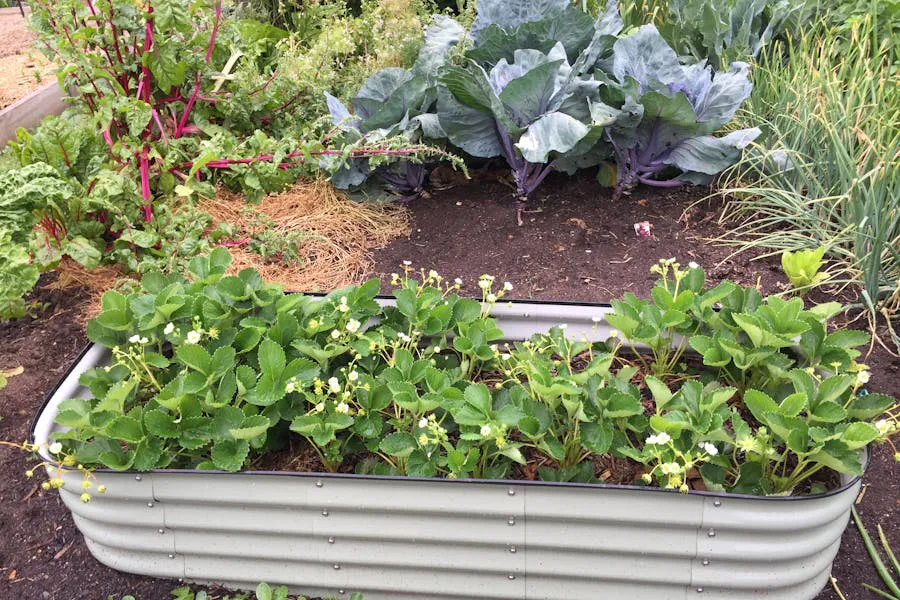
The most popular choice for small properties. A 4x8 foot raised bed gives you 32 square feet of growing space with zero wasted aisle area inside the bed. You can reach the center from either side.
Pros: Great drainage, no compacted soil, easier on your back, looks neat, you control the soil quality from day one.
Cons: Costs more upfront (you pay for the bed and the soil to fill it), dries out faster in summer, needs refilling every few years. If you’d rather skip the build, compare raised bed kits for small yards by size, height and material before you buy.
In-Ground Plots
Just dig up the grass, amend the soil, and plant. The old-fashioned way still works fine.
Pros: Cheapest to start, better moisture retention, no height limits for root crops.
Cons: You inherit whatever soil you’ve got (clay, rocks, sand), more weeding, harder to keep organized.
Container Gardens
Pots on a patio, deck, or driveway edge. Good for herbs and a few tomato plants, but hard to scale up for serious food production.
Pros: Zero yard commitment, moveable, works on concrete.
Cons: Constant watering, limited root space, expensive per plant.
Most people on 1/8 acre lots do best with 4-6 raised beds plus a few containers on the patio for herbs.
Step 3: Plan Your Paths
People forget about paths until they’ve already built their beds too close together. You need at least 2 feet between raised beds for walking. Three feet is better if you ever want to get a wheelbarrow through.
For an in-ground garden, plan paths 18 inches wide between rows. Mulch them with wood chips to keep mud down and weeds out.
A common layout mistake: putting beds against a fence. Leave at least 12 inches between the bed and any fence so you can get behind it for maintenance.
Step 4: A Sample Layout That Works
Here’s an example layout for a typical small lot with about 600 square feet of garden space:
Zone A (Full Sun, closest to house): Two 4x8 raised beds for tomatoes, peppers, and eggplant. These are your heavy producers and you’ll visit them daily for watering and picking.
Zone B (Full Sun, further out): Two 4x8 raised beds for root vegetables (carrots, beets), beans, and cucumbers on a trellis at the north end so they don’t shade other plants.
Zone C (Partial Sun, along fence): One 4x4 bed for lettuce, spinach, and other greens that appreciate afternoon shade in summer.
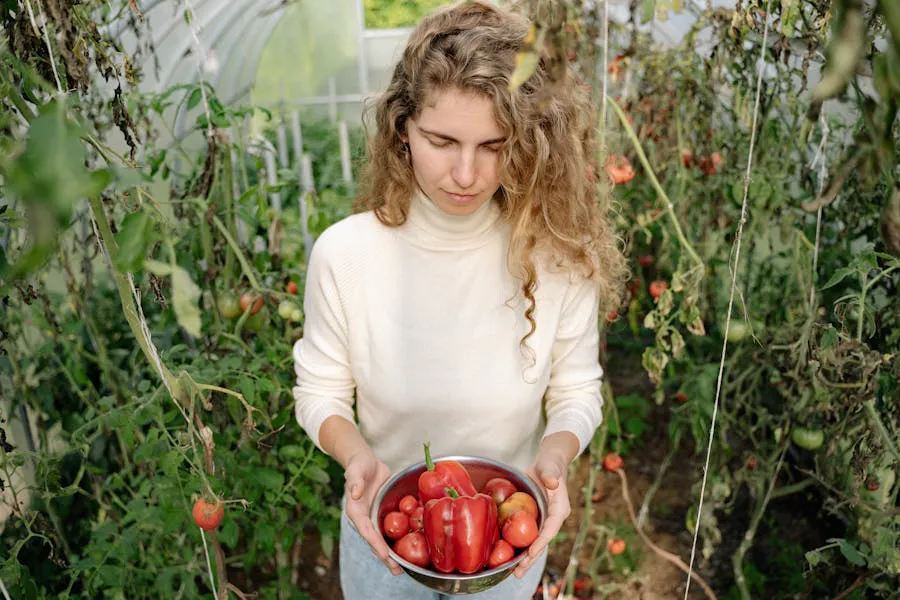
Patio Containers: 5-6 pots for basil, parsley, cilantro, rosemary, and a cherry tomato plant.
That’s 144 square feet of raised bed space plus containers. How much it produces depends on your crops, climate, soil and watering, so keep a simple harvest log the first year and let it tell you which beds earn their space. Before you build, map it out with our free Garden Planner so you can size the beds and paths to your exact yard.

Step 5: Think About Water Access
Put your garden as close to a water spigot as possible. Dragging a hose across the yard gets old fast. If you’re using raised beds, a simple soaker hose in each bed connected to a splitter saves a ton of time, or step up to a simple drip irrigation kit for even watering. You can set the whole thing on an inexpensive timer and never think about it.
If your best sun is far from the spigot, buy a 50-foot hose and a hose reel. It’s worth the modest investment.
Step 6: Start Small, Expand Later
What to Skip on a Small Lot
Some things that sound nice but aren’t worth the space on 1/8 acre:
- Corn. Takes up massive space for a tiny yield. Buy it at the farm stand.
- Pumpkins. One vine covers 50+ square feet. Not worth it unless you let it trail into the lawn.
- Potatoes. They’re cheap at the store and take up bed space you could use for higher-value crops.
- Large fruit trees. A full-size apple tree has a 20-foot canopy that will eventually shade your garden. Stick with dwarf varieties if you want trees.
What to Prioritize
Grow things that taste dramatically better fresh, cost a lot at the store, or produce over a long season:
- Cherry tomatoes. One healthy plant keeps producing from midsummer until frost. Try Sungold or Sweet 100.
- Fresh herbs. A few dollars for a pack of basil at the grocery store vs. a plant that produces all summer.
- Salad greens. Cut-and-come-again lettuce gives you weeks of harvests from one planting.
- Hot peppers. Compact plants, huge flavor, expensive to buy fresh.
- Snap peas. Grow vertically, produce fast, kids eat them right off the vine.
Starter Shopping List
Prices change too often to quote, so here is what a two-bed start actually needs and the quantity that drives each cost:
| Item | How much | What to know |
|---|---|---|
| Two 4x8 raised beds | A kit or lumber for two beds | Cedar resists rot longer than untreated pine; pine is cheaper but needs rebuilding sooner |
| Soil mix | About 2 cubic yards for two beds filled 10 inches deep | Length x width x depth in feet, divided by 27, gives cubic yards |
| Seeds and a few starter plants | Only the crops you eat most | Seeds are the cheapest way to fill a bed |
| Soaker hose or drip line, plus a timer | One line per bed | Beds near the spigot keep this short |
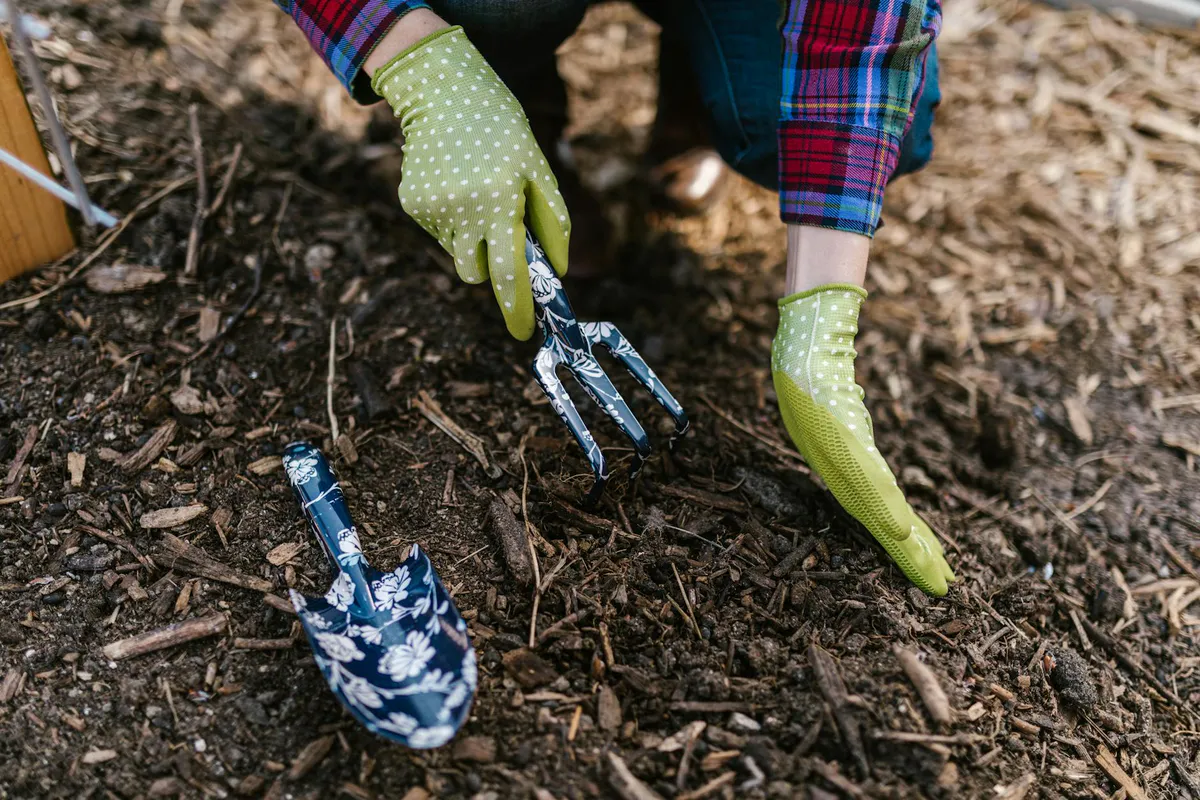
| Basic hand tools | Trowel, hand fork, pruners | Borrow before you buy |
You can cut costs further by starting everything from seed and borrowing tools. If you’d rather own a basic kit, the garden hand tools worth buying to get started are a short, inexpensive list.
What to Plan Next
Once the first beds are working, the next decisions on a lot this size tend to come in this order. Take them one season at a time.
- Water that doesn’t depend on you. If hand-watering is already a chore, compare drip irrigation kits for raised beds sized to your bed count, or set up a rain barrel where a downspout sits near the garden and local rules allow it.
- A longer season. A greenhouse only makes sense if a sunny spot is left after the beds. Start with whether a lean-to or freestanding shape suits your walls and sun, then compare exact kit footprints once you know the space.
- Fruit. Dwarf trees fit a small lot only when you plan for their mature shade. The small-yard orchard layout walks through spacing and pollination, and fruit trees for small yards covers which species suit a small space.
- More room. If your usable space is closer to a quarter acre, the quarter-acre homestead layout adds zones for compost, future chickens and a greenhouse.