
On this page · 6 sections
I have run all three methods in my own kitchen, often on the same harvest, just to see which one actually earns its place. I have a dehydrator that runs most weekends in late summer, a pressure canner that scares my wife, and a freeze dryer in the garage that cost more than my first car. After a few seasons of testing them side by side, I have opinions about which one most people should reach for.
Short answer: if you want the cheapest entry point and you mostly preserve fruit, jerky, and herbs, get a dehydrator. If you want to put up soups, tomatoes, beans, and meat that you can pull off a shelf and eat, learn to can. If you have the budget and you are serious about long-term storage that lasts decades and tastes close to fresh, freeze drying is the upgrade. Most people should start with dehydrating and canning, then add freeze drying later if it makes sense.
Here is the full breakdown.
Dehydrating: The Basics
Dehydrating removes water from food using low, steady heat and airflow. A dehydrator is basically a box with a fan and a heating element that pushes warm air across trays for several hours. Pull enough moisture out and bacteria, mold, and yeast can no longer grow, so the food keeps.
Dehydrators are cheap. A stackable COSORI or Nesco unit is a mid-range pick. A horizontal-flow Excalibur with a real thermostat is a mid-range pick. You can even dehydrate in a low oven if you do not want to buy anything, though it ties up your oven for hours and the results are less consistent.
What Dehydrating Is Good At
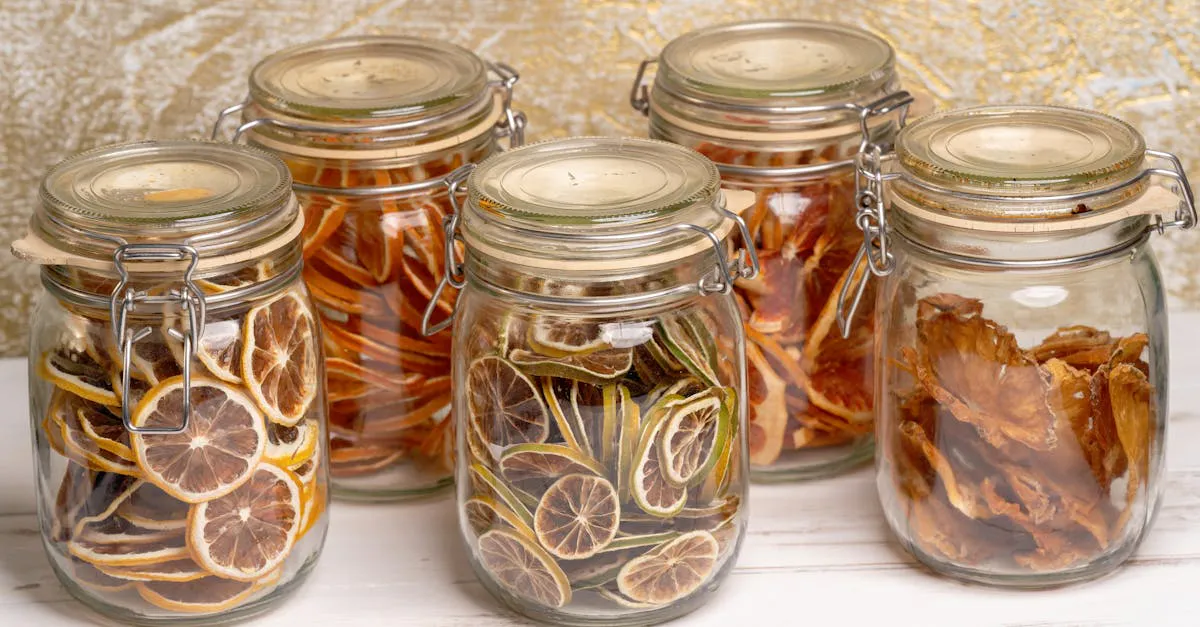
Fruit leather, apple and banana chips, dried herbs, jerky, dried tomatoes, mushrooms, and onions. Anything you want lightweight and snackable. Dehydrating removes roughly 70 to 95 percent of the moisture depending on the food, which is enough to make most produce shelf stable for months and up to a couple of years if you store it sealed and dark.
The downside is that it does not get water content low enough for the multi-decade shelf life people associate with freeze dried food. Dried food also changes texture. An apple slice becomes chewy and a strawberry becomes leathery. For a lot of foods that is a feature, not a bug, but it is not the same as fresh.
Canning: The Basics
Canning preserves food by sealing it in jars and heating it enough to kill spoilage organisms, then letting the lids form an airtight vacuum seal as they cool. There are two methods, and the difference between them matters more than anything else in this article.
Water-bath canning is for high-acid foods: jams, jellies, pickles, salsa, most fruit, and tomatoes with added acid. The boiling water bath is hot enough to make these foods safe.
Pressure canning is for low-acid foods: vegetables, beans, soups, stocks, and all meat. These foods require the higher temperature that only a pressure canner can reach. A water bath cannot get hot enough to destroy botulism spores in low-acid food, which is the single most important safety rule in home preservation.
Equipment is cheap relative to what it does. A basic water-bath setup is a large pot and a jar rack, often a budget buy. A pressure canner like a Presto 23-quart is a mid-range pick, and an All American with a metal-to-metal seal is a mid-range one. Jars and lids are an ongoing cost, but jars are reusable for years.
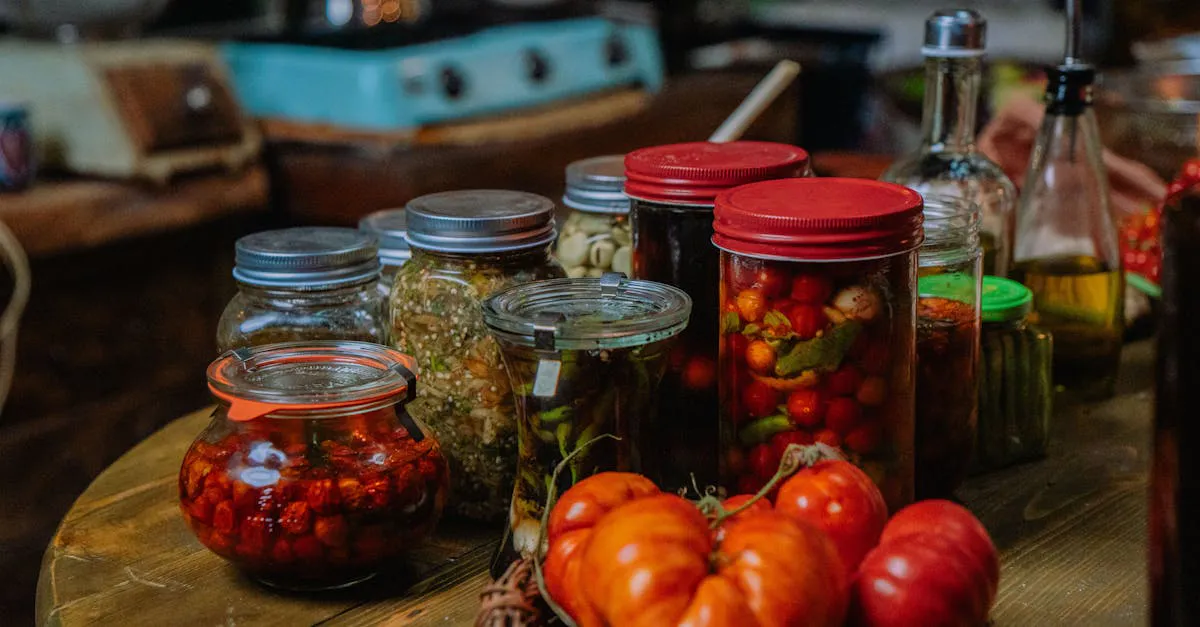
What Canning Is Good At
Things you want to open and eat without rehydrating: tomato sauce, soups, chili, broth, pickles, jams, and canned meat. Canned food stores from one year for delicate items up to five years or more for low-acid pressure-canned goods kept cool and dark. It is the only method here that gives you a finished, wet meal on the shelf.
The tradeoff is effort and the safety learning curve. You have to follow tested recipes, and you cannot improvise ratios or processing times the way you might with cooking.
Freeze Drying: The Basics
Freeze drying is the heavyweight. The machine freezes food solid, then pulls a deep vacuum and applies gentle heat so the ice converts directly to vapor without melting, a process called sublimation. This removes roughly 98 to 99 percent of the moisture while leaving the structure of the food intact.
Home freeze dryers are expensive. Harvest Right is the dominant home brand, and their units are high-end purchases depending on size and finish. A cycle takes a long time too, commonly 20 to 40 hours, and the machine draws meaningful electricity the whole time because the vacuum pump and freezing system run continuously.
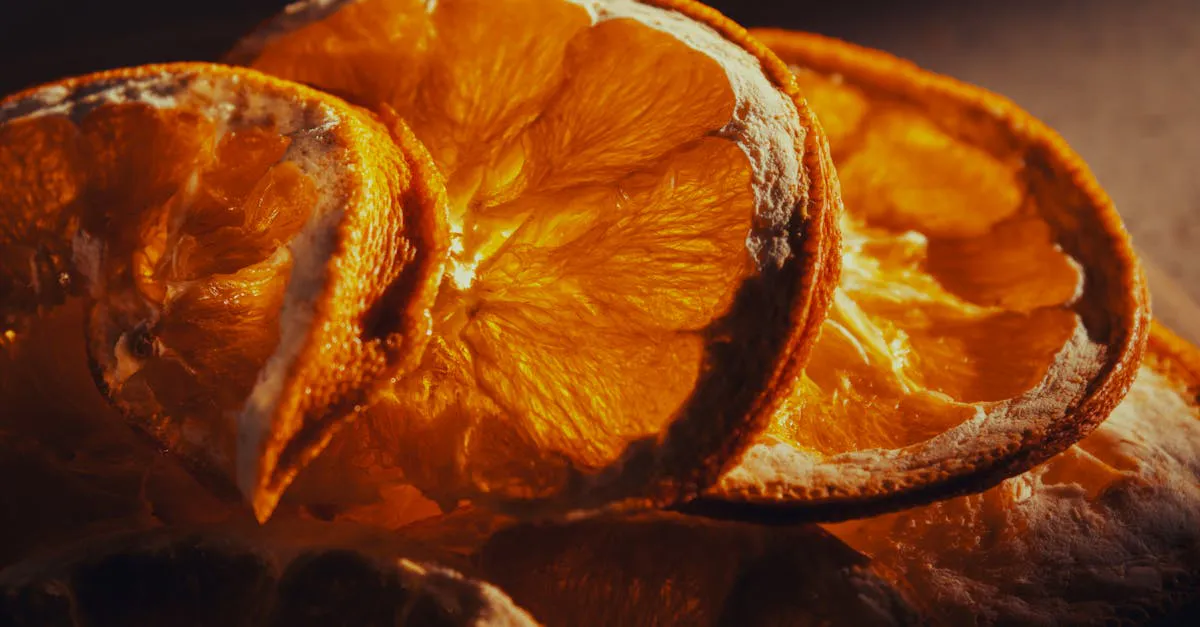
What Freeze Drying Is Good At
Almost everything. Fruit, vegetables, full cooked meals, eggs, dairy, meat, even ice cream. Properly packaged in mylar with oxygen absorbers, freeze dried food is commonly cited as lasting 25 years or more. It rehydrates close to its original texture and retains nutrients better than heat-based methods because it never gets cooked. The food also stays light, which matters if you store a lot of it.
The catch is the price, the slow cycle, the electricity, and the maintenance. The vacuum pump needs its oil changed regularly unless you buy the pricier oil-free pump model. This is a serious purchase, not an impulse buy.
The Head-to-Head Comparison
Upfront Cost
Winner: Dehydrating. A usable dehydrator is a budget buy. Canning is a close second, with a budget water-bath setup and a mid-range pressure canner. Freeze drying is in a different universe at the high end. On pure entry cost, this is not close.
Shelf Life
Winner: Freeze drying. Properly packaged freeze dried food is routinely cited at 25 years or more. Pressure-canned low-acid food lasts a few years to five-plus. Dehydrated food lasts months to a couple of years. If your goal is decades of storage, freeze drying is the only one that gets you there.
Taste and Texture Retention
Winner: Freeze drying. Because it never cooks the food and removes water through sublimation, freeze dried food rehydrates close to fresh. Canning cooks food during processing, which softens texture. Dehydrating concentrates flavor but turns produce chewy or leathery. For closest-to-fresh results, freeze drying wins clearly.
Nutrient Retention
Winner: Freeze drying. Low temperatures preserve more heat-sensitive vitamins. Dehydrating uses sustained low heat, which degrades some nutrients but keeps many intact. Canning involves the most heat and the longest exposure, so it loses the most. All three keep food nutritious enough to be worth eating, but freeze drying holds the most.
Ease and Effort
Winner: Tie between dehydrating and freeze drying. Dehydrating is genuinely simple: slice, load trays, set temperature, walk away. Freeze drying is also mostly hands-off once loaded, but packaging the output in mylar with oxygen absorbers adds a step, and the machine needs maintenance. Canning takes the most active attention because you are managing jars, processing times, and pressure. I give the edge to dehydrating for sheer simplicity.
Energy Use
Winner: Canning. A canning session uses your stove for a fixed block of time and you are done. A dehydrator runs for many hours per batch. A freeze dryer runs continuously for 20 to 40 hours per cycle with a vacuum pump and compressor going the whole time, which is the highest energy draw of the three by a wide margin.
What Foods It Suits
Winner: Freeze drying for range, canning for ready meals. Freeze drying handles the widest variety, including dairy, eggs, and full meals that the other two cannot. But canning is the only method that gives you a wet, ready-to-eat product like soup or sauce straight off the shelf. Dehydrating is the narrowest, best for fruit, herbs, jerky, and vegetables. Pick based on what you actually want to store.
Storage Space
Winner: Freeze drying. Removing nearly all the water makes freeze dried food extremely light and compact, and it does not need jars. Dehydrated food is also light and stores well in jars or bags. Canned food is the bulkiest and heaviest because the food keeps its water and lives in glass. If space and weight matter, the dried methods win, with freeze drying ahead.
A Quick Note on Cost Per Use
The sticker price is not the whole story. A dehydrator is cheap to buy and cheap to run, so its cost per pound of preserved food stays low. Canning has low equipment cost but ongoing spending on lids. Freeze drying is brutal upfront, but if you process hundreds of pounds of food over many years, the cost per pound comes down to something more reasonable. Whether it ever pays off depends entirely on how much you actually use it. A freeze dryer that runs twice a year is a very expensive way to make snacks.
I plan to cover the “is a home freeze dryer actually worth it” math in a dedicated buying guide. For now you can find it linked from the food storage hub once it is published.
My Recommendation
For most people, start with dehydrating and canning together. They cover the two things home cooks actually want. Dehydrating gives you cheap, easy snacks and pantry staples like dried herbs and tomatoes. Canning gives you ready-to-eat meals and a way to use up a glut of tomatoes, beans, or garden produce. Between the two, you can preserve most of what a small household grows or buys in bulk, and the total equipment cost stays a few hundred dollars at most. Our canning supplies buyer’s guide covers the canners, jars, and tools worth buying to get started.
Add freeze drying later if and only if you have a specific goal it serves: a genuine multi-decade storage plan, a large garden that overwhelms your other methods, or a real interest in long-term preparedness. It is the big-ticket upgrade, not the starting point. Buying a freeze dryer first is like buying a commercial espresso machine before you have figured out whether you even like making coffee at home.
Figure out how much food you are actually trying to put away before you spend anything. My guides on how much food to store per person and building a deep pantry list will help you size the whole plan before you buy a single piece of equipment.