
On this page · 6 sections
Short answer: a deep pantry means buying extra of what you normally eat, storing it where you can see it, and rotating through it so nothing expires. That’s it. Below is a starting list, rough quantities for one adult for a month, and the stuff to skip.
What a Deep Pantry Actually Is
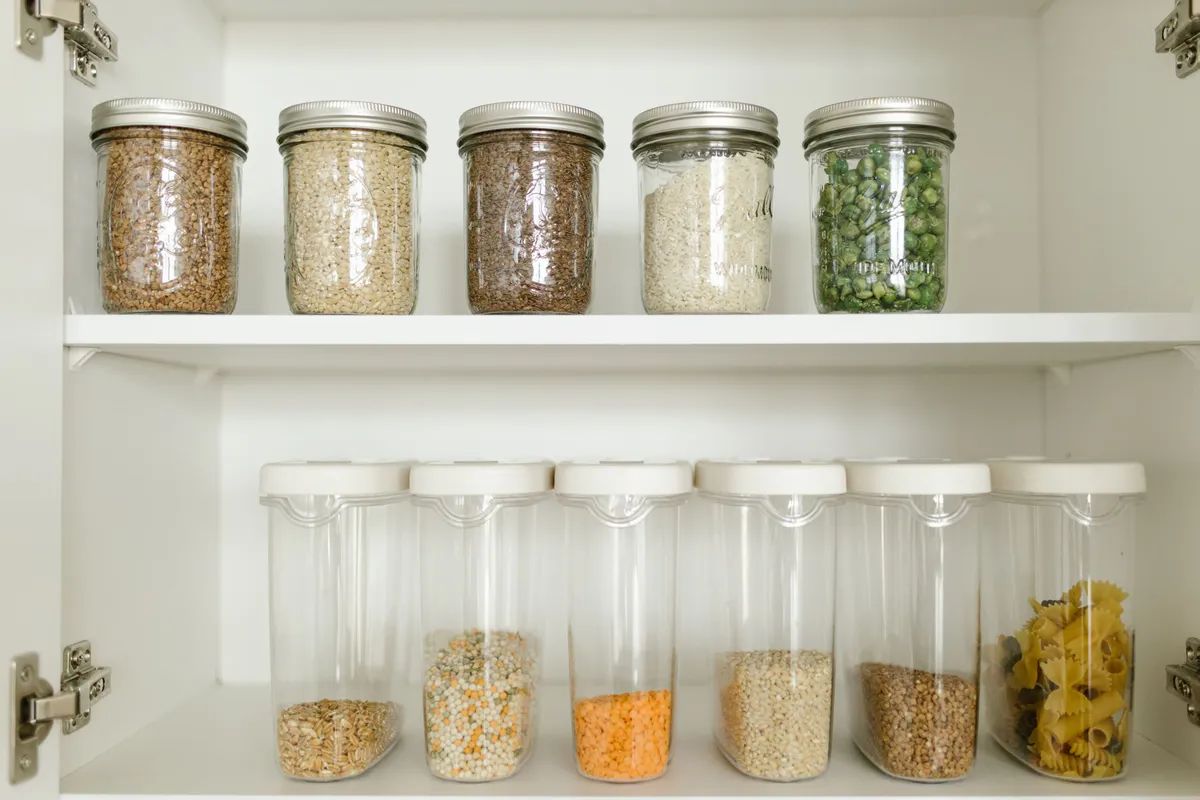
A deep pantry is just a regular pantry, scaled up. Instead of one jar of peanut butter, you keep three. Instead of one bag of rice, you keep a few. You eat from the front and restock the back. Everything in it is food you cook with normally, so it never goes to waste.
This is different from long-term food storage. Long-term storage means sealed grains and freeze-dried meals packed with oxygen absorbers in mylar, rated to last decades, and meant to sit untouched until an emergency. That has its place, and I cover it in detail in how to store food long-term. But it’s a separate system. You don’t cook dinner out of your 25-year bucket on a random Tuesday.
The deep pantry is the layer you actually live out of. It covers the gaps: a job loss, a bad storm, a week you don’t want to shop, a sale too good to pass up. If you want to figure out the total volume you’re aiming for, start with how much food to store per person. And if what you really need is the short-horizon storm version, we keep a separate 3-day power outage food list.
The Core Staples to Stock
Here is a starting list, grouped by category, with rough quantities for one adult for one month. Scale up by the number of people in your house. These are guidelines, not gospel. Stock what you’ll actually eat.
Grains and Starches
These are the backbone. Cheap, filling, and they keep well.
| Item | Quantity (1 adult, 1 month) | Pantry shelf life, unopened |
|---|---|---|
| White rice | 5-8 lbs | About 2 yrs, much longer sealed with oxygen absorbers |
| Dried pasta | 4-6 lbs | About 2 yrs |
| Rolled oats | 2-3 lbs | About 1 yr |
| All-purpose flour | 5 lbs | 6-12 months (longer frozen) |
| Cornmeal or masa | 2 lbs | 6-12 months (regular cornmeal) |
| Crackers | 2-3 boxes | About 8 months |
Shelf lives follow Virginia Cooperative Extension’s food storage guidelines and, for oats, the USDA’s FoodKeeper. White rice keeps far better than brown. More on that in the skip list below.
Proteins (Canned and Dried)
This is where a lot of pantries fall short. Carbs are easy to stock. Protein takes a little planning.
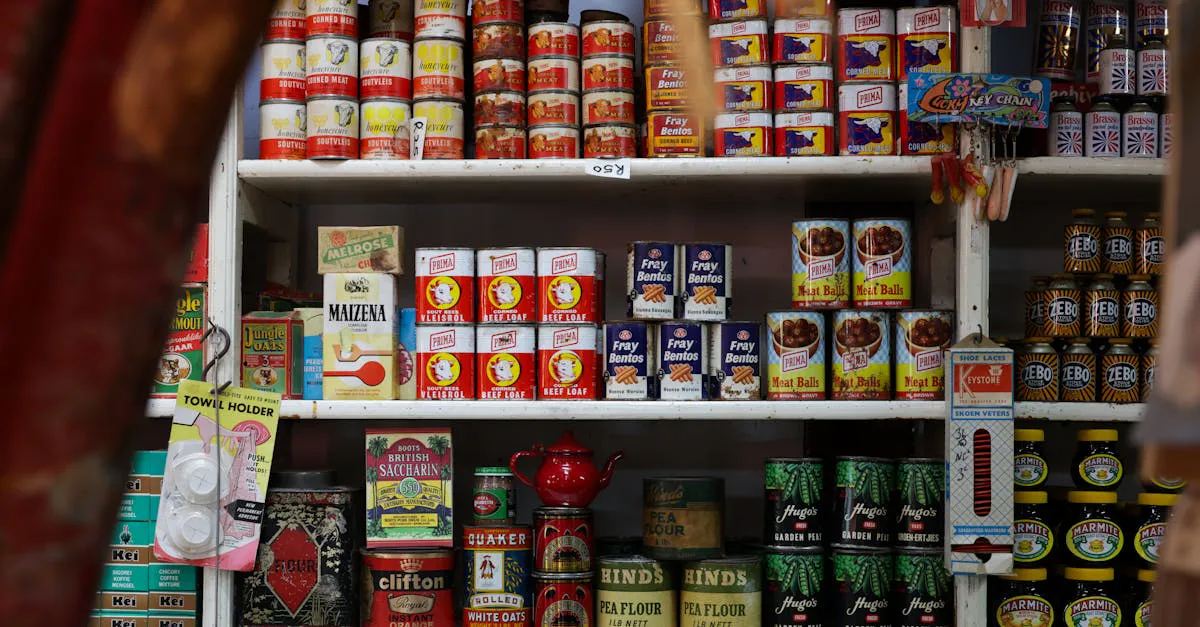
- Canned tuna or salmon: 6-10 cans
- Canned chicken: 4-6 cans
- Canned beans (black, pinto, kidney, chickpea): 10-15 cans
- Dried beans and lentils: 3-4 lbs
- Peanut butter: 2-3 jars
- Canned chili or stew: 4-6 cans
- Shelf-stable nuts and seeds: 1-2 lbs
Dried beans are the cheapest protein you can store, but canned beans are the ones you’ll actually reach for on a busy night. Keep both: dried beans as the deep reserve, cans for busy nights.
Fats and Oils
Fat matters for calories and for cooking. The catch is that oils don’t keep as long as people assume.
- Cooking oil (vegetable, canola, or olive): 1-2 bottles
- Shortening or coconut oil: 1 container
- Butter (frozen) or canned/powdered butter: as you use it
The USDA’s FoodKeeper gives olive and vegetable oils 6 to 12 months unopened and only a few months once opened, and heat and light shorten that. Buy oil in sizes you’ll finish, keep it cool and dark, and don’t stockpile gallons you can’t rotate through.
Canned Vegetables and Fruit
- Canned tomatoes (diced, crushed, paste): 8-12 cans
- Canned corn, green beans, peas, carrots: 8-12 cans
- Canned fruit in juice (peaches, pears, pineapple): 6-8 cans
- Applesauce: 2-4 jars or cups
Canned tomatoes do more work than anything else here. They turn rice and beans into an actual meal. Keep at least a dozen on hand.
Shelf-Stable Dairy
- Shelf-stable (UHT) milk or boxed milk: 4-6 quarts
- Powdered milk: 1 bag or box
- Evaporated and/or condensed milk: 2-4 cans
- Hard or processed cheese that keeps: as you use it
Powdered milk isn’t anyone’s favorite for drinking, but it’s fine in cooking, baking, and oatmeal, and it lasts a long time sealed.
Flavor and Cooking Essentials
This is the category people forget, and it’s the difference between food you’ll eat and food you’ll choke down.
- Salt: 1-2 lbs (keeps indefinitely if it stays dry)
- Sugar, white and brown: 2-3 lbs (sugar keeps indefinitely; brown can harden but stays usable)
- Cooking spices you actually use: a working set
- Bouillon cubes or paste: 1 jar or box
- Vinegar (white and apple cider): 1 bottle each
- Soy sauce, hot sauce, mustard: as you use them
- Honey: 1 jar (keeps for years; if it crystallizes, warm it gently)
- Baking soda and baking powder: see the warning below
Comfort and Morale Items
Do not skip these. Five days of plain rice and beans wears on you fast. A little comfort food keeps morale up, especially with kids.
- Coffee or tea
- Chocolate, hard candy, or cookies
- Drink mixes or shelf-stable juice
- Popcorn
- A few cans of soup you actually like
Non-Food Essentials People Forget
The food doesn’t help if you can’t open it or cook it.
- A manual can opener (and a backup)
- Matches or a lighter
- Aluminum foil and zip-top bags
- Paper plates and basic disposable utensils
- Dish soap and trash bags
- Water (the one that’s easiest to underestimate)
- Pet food, if you have pets
- Any medications you rely on
What to Skip (and What People Waste Money On)
These are the common money-wasters.
- Perishables you can’t actually use up. A deep pantry is shelf-stable by definition. Buying ten loaves of bread or a flat of fresh berries on sale isn’t deep pantry, it’s just future trash unless you freeze it immediately.
- Cases of freeze-dried meals you’ve never tried. Packaged meals have their place as a backstop, but taste one before you buy a case. If you wouldn’t eat it for a normal dinner, don’t stock a case of it for an emergency. Stock food you like.
- Brown rice in bulk. Brown rice still has its oil-rich bran, so it has about half the pantry life of white rice: roughly a year versus two, per Virginia Cooperative Extension. White rice also keeps for decades when sealed with oxygen absorbers. For a deep pantry, white rice wins. Keep brown rice in normal eating quantities only.
- Whole oils by the gallon. Oil goes rancid within months of opening. Big jugs you can’t finish are a slow waste.
- Anything you don’t normally cook with. If a five-pound bag of an ingredient you’ve used twice in your life is “essential,” it’s not. The whole point of a deep pantry is that you rotate through it.
- Giant flour and whole-grain hauls if you don’t bake. Flour has a shorter shelf life than people think, and weevils find it. Buy what you’ll use.
The test for any item is simple. Do you cook with it now? If yes, stock more of it. If no, skip it.
How to Rotate It: FIFO and the Two-Bin Method
A deep pantry only works if you rotate. Otherwise you’re just building a museum of expired cans. The rule is FIFO: First In, First Out. Oldest food gets used first.
Here’s how to keep it honest:
- Date everything when it comes home. A marker on the lid or label with the purchase month. You stop guessing whether that can is from this year or three years ago.
- Restock from the back. New groceries go behind the old ones. You always pull from the front, which is always the oldest. Tilted can racks do this automatically, but a flat shelf works fine if you’re disciplined.
- Use the two-bin method for fast movers. For staples you go through quickly, keep two containers. You cook from bin one. When it’s empty, you start bin two and that empty bin one is your shopping signal. You restock before you ever hit zero.
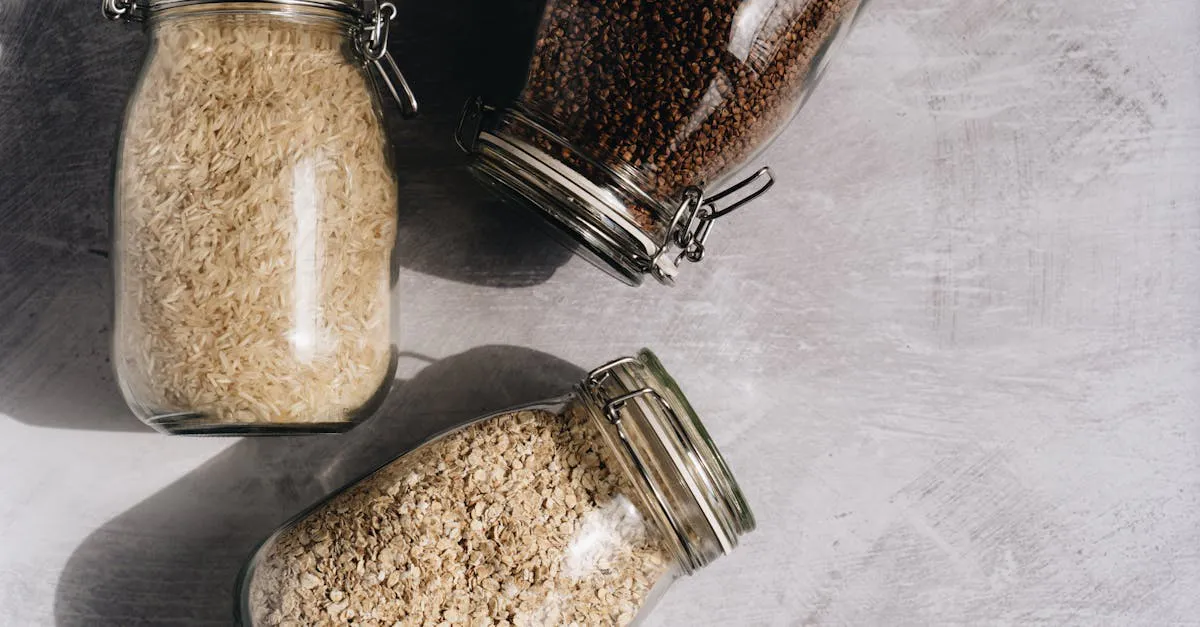
Do a pantry walk-through every few months. Pull anything close to its date to the front and plan a couple of meals around it. This is the entire system. Date, restock from behind, eat the oldest first.
Where to Buy Without Wasting Money
You do not need a special supplier. The cheapest deep pantry is built from normal grocery shopping done a little smarter.
- Buy on sale, not on schedule. Canned goods, pasta, and rice go on cycle. When your regular items hit a low price, that’s when you buy several instead of one.
- Store brands are usually fine. For beans, tomatoes, rice, and oats, the store brand is often just as good for less. Save the name-brand loyalty for things where you actually taste a difference.
- Buy bulk only on shelf-stable staples you’ll rotate. Warehouse-club sizes of rice, oats, salt, sugar, and canned goods make sense. Warehouse-club perishables usually don’t, unless you’ll freeze or use them fast.
- Check unit price, not package price. The big container isn’t always cheaper per pound, and it’s a bad deal if it expires before you finish it.
Keep a running note of the “good” price for your regular items. When something beats it, stock up. The rest of the time, buy normally.
A Realistic Build-Up Plan
Don’t try to stock a month of food in a single weekend. That’s a giant bill and a recipe for buying things you won’t use. Build it gradually.
The easiest method: add one or two extra shelf-stable items to every grocery trip. Buying a can of tomatoes? Grab two and shelf one. Picking up rice? Get an extra bag. You barely notice the cost, and within a couple of months you’ve got real depth without a painful one-time hit.
A simple ramp looks like this:
- Weeks 1-2: Add canned proteins and beans. One or two extra per trip.
- Weeks 3-4: Build up grains and pasta. A few extra pounds.
- Weeks 5-6: Round out canned vegetables, tomatoes, and shelf-stable dairy.
- Weeks 7-8: Add fats, flavor essentials, comfort items, and the non-food gear.
- Ongoing: Rotate. Eat the oldest, restock from behind, keep the depth steady.
After a couple of months of this you’ll have a one-month deep pantry that cost you almost nothing extra per trip and contains only food you actually eat. From there it’s just maintenance.
If you want to go beyond a deep pantry into true long-term reserves, that’s a different toolkit. Compare your preservation options in freeze drying vs dehydrating vs canning before you sink money into equipment, and grab jars, lids, and a canner from our supply guide once you’re ready to start putting food up.