
On this page · 10 sections
Plan on one nesting box for every three to four hens.
That means one box is enough for a three-hen flock, and one or two boxes is enough for four hens. If you keep six to eight hens, two boxes will usually do the job. Building a wall of empty cubbies does not make the flock lay more eggs.
The hens will probably ignore your careful math anyway. Give four hens two identical boxes and all four may wait for the one on the left. That is normal. A favorite box feels safer because another hen has already approved it.
The Simple Nesting Box Math
| Number of laying hens | Practical number of boxes |
|---|---|
| 3-4 | 1-2 |
| 5-8 | 2 |
| 9-12 | 3-4 |
These are practical small-flock numbers, not a rule that must be followed to the bird. A shy hen, an especially bossy hen, or two hens that tend to lay at the same time can make a second box useful even when one box looks sufficient on paper.
Do not count pullets that have not started laying yet. Do not count a box that is exposed to rain, occupied by a broody hen, or regularly used as a toilet. A box only counts when it is dry, accessible, and appealing enough that the hens will use it.
If you are still deciding which birds fit a small yard, start with the small-flock egg-laying breed guide. Breed choice affects temperament and broodiness, but it does not change the basic one-box-per-three-to-four-hens answer.
Why More Boxes Usually Go Unused
Hens do not spread themselves evenly across available nests. They look for a dark, quiet, protected place. Once an egg appears there, the box looks even more convincing. The result is a line outside one nest while a perfectly clean box sits empty beside it.
That does not mean you need another box. It usually means the favorite has the best combination of darkness, bedding, and privacy.
Watch the flock for a few mornings before changing anything. If each hen gets a turn and the eggs stay intact, the queue is harmless. Add capacity when hens are laying on the floor, eggs are being broken by crowding, or one bird guards the only usable box.
The Right Box Size
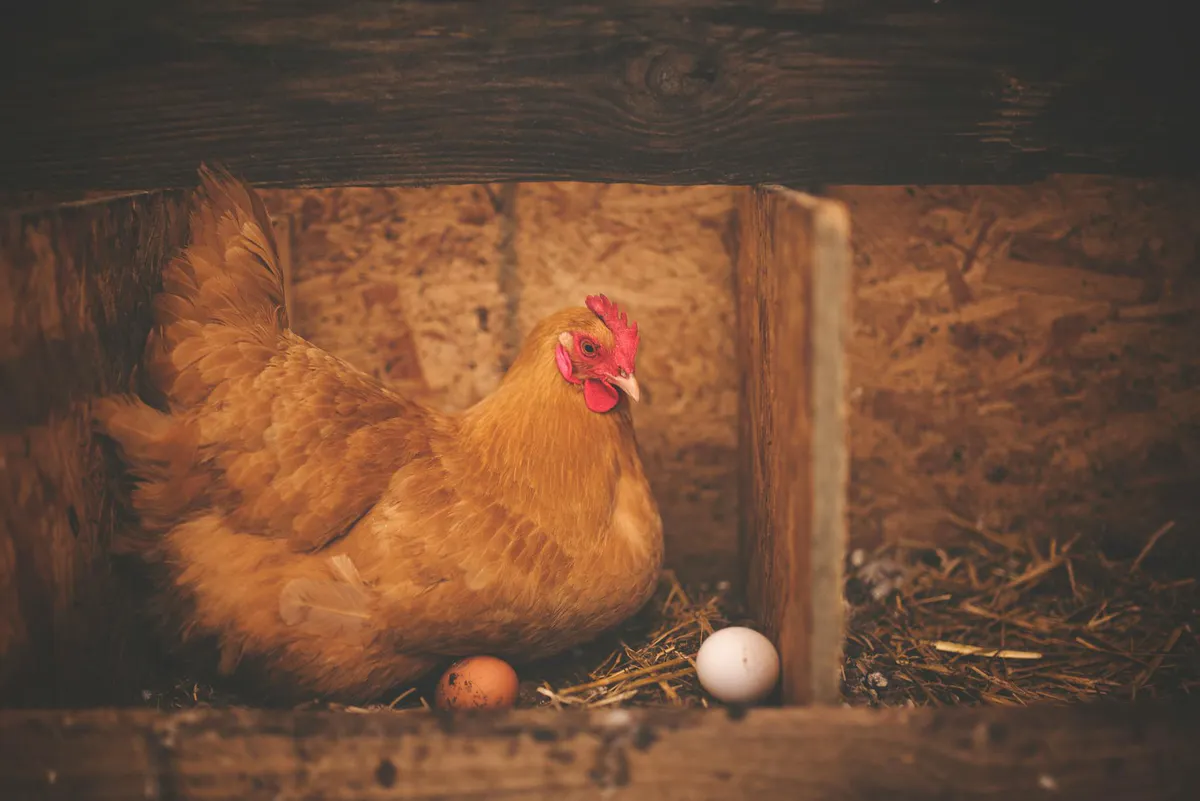
For standard-size breeds, roughly 12 by 12 by 12 inches is a good starting point. It gives a hen room to turn around without creating a space large enough for a group sleepover.
Very large breeds may need more room. Small bantams can use less. You do not need precision carpentry. The practical test is whether the hen can enter, turn, settle, and leave without scraping her back or tail.
A low front lip helps hold bedding and eggs inside. The opening should be easy for a hen to step through, but the interior should still feel enclosed. An enormous open-front shelf is bright and drafty. A tiny hole can make a cautious bird reject the box.
If you buy rather than build, make sure the unit fits the wall space and flock before ordering. Two useful compartments beat four compartments that block your cleaning access.
Put the Boxes Lower Than the Roost
Nesting boxes should sit lower than the roost.
Chickens naturally seek the highest safe place at bedtime. If the nesting box is higher than the roost, they may sleep in it. A sleeping hen leaves droppings overnight, then the next hen settles into dirty bedding and lays a dirty egg.
This is one of the most common coop-layout mistakes. It is easier to prevent than to retrain.
Place boxes in the quieter, dimmer part of the coop. Keep them out of the direct path from the door and away from a feeder that creates morning traffic. They should be easy for you to reach without crawling into the coop. Daily egg collection gets old fast if every egg requires kneeling in litter and stretching around a wall.
The roost should remain the obvious sleeping destination: higher, comfortable, and roomy enough for the flock. The boxes should feel like private daytime rooms.
Bedding That Protects the Eggs
Pine shavings make simple nesting-box bedding. They are absorbent, easy to replace, and soft enough to keep eggs from hitting a bare floor. Straw can work too, although long pieces are easier for hens to kick out and can hide a broken egg.
Start with a generous, springy layer and check it when you collect eggs. If the hen has pushed everything to the sides and exposed the floor, add more or use a liner that helps hold bedding in place.
The nesting-box bedding has a different job from the litter on the coop floor. Floor litter manages manure and moisture. Box bedding cushions clean eggs. If you use the deep litter method in a small coop, keep the nest material separate and replace it whenever it becomes damp or dirty.
Do not leave a cracked egg buried in the bedding. It attracts flies, soils other eggs, and can teach hens that eggs contain something worth eating. Remove wet material immediately, wipe the box, let it dry, and refill it.

Curtains Can Make a Bright Box Usable
A simple nest curtain can turn an ignored bright box into a favorite. The curtain does not need to seal the opening. A strip of washable fabric across part of the front is enough to reduce glare and movement while leaving a clear entrance.
Secure it so a curious hen cannot pull down loose threads or hardware. Wash it when it gets dirty. If the coop is already dim and calm, a curtain may do nothing. This is a small adjustment, not mandatory equipment.
Training Hens to Use the Box
Put a ceramic or fake egg in the nest before pullets begin laying. It gives them a visual cue that this is a safe laying spot. One fake egg is enough. You are trying to suggest the location, not fill the nest.
Check likely hiding places in the yard when a new layer appears. Pullets can be inconsistent at first. If you find a hidden nest, remove the eggs and limit access to that spot for a few mornings. Keep the flock in the coop and secure run until the usual laying period has passed, then let them range.
Do not punish or frighten a hen that lays on the floor. Move the egg to the box, improve the box, and give her time. Laying is vulnerable work. A hen that is chased into a nest is more likely to avoid it.
Collect eggs at least once a day. Frequent collection keeps the favorite box open, reduces breakage, and makes egg eating less likely to start.
Are Roll-Away Nesting Boxes Worth It?
In a roll-away design, the floor guides a freshly laid egg into a protected collection area. That separation can keep eggs cleaner and make them harder for a hen to peck.
Roll-away boxes are useful when you already have a dirty-egg or egg-eating problem. They also help when work keeps you from collecting until late in the day. They are not required for a normal three- or four-hen flock.
The tradeoff is comfort and complexity. Hens still need a surface they will accept, the unit must be installed correctly, and the collection area still needs cleaning. Do not buy a large roll-away bank just because it looks commercial. A small flock does not need farm-scale capacity.
Try management first if only one egg was broken. Add bedding, collect more often, and make sure the hens have complete feed plus separate grit and oyster shell. A roll-away box addresses access to the egg. It does not correct crowding, boredom, or an unbalanced diet.
What to Do When a Hen Sleeps in the Box
First, confirm that the roost is higher than the nest and comfortable to grip. Then move the hen to the roost after dark for several evenings. Chickens are calm after bedtime, so this is less disruptive than chasing her during the day.
Block the nesting boxes after the last egg is laid and open them again early in the morning. A board or securely fitted panel works. Do not block a box while a late-laying hen still needs it.
Replace dirty bedding every time. Leaving the nest soiled can turn one bad night into a dirty-egg routine.
If one hen suddenly abandons the roost, inspect her feet and movement. A bird avoiding a jump may be dealing with pain, an injury, bullying, or weakness. Also check whether another hen is pushing her off the roost. The nesting box may be the symptom rather than the problem.
Cold weather is not a reason to let the flock sleep in the boxes. A dry, well-ventilated coop and a suitable roost are the better answer. The winter coop insulation and ventilation guide explains how to keep the sleeping area comfortable without sealing in moisture.
A Low-Work Nesting Box Routine
Every day, collect the eggs and remove obvious manure or wet bedding.
Once a week, fluff the material, refill low spots, and wipe dust from the box edge. Check that curtains, liners, and mounting hardware are still secure.
Whenever an egg breaks, remove all affected bedding instead of covering the mess with fresh shavings. Clean the surface and let it dry before resetting the nest.
At a larger coop cleanout, empty each box and inspect corners for mites, moisture, cracked wood, and sharp metal edges. This is also the time to confirm the box has not shifted above a sagging roost.
That is the whole system. One box per three to four hens, dry bedding, a quiet location lower than the roost, and daily collection. The favorite-box queue is usually chicken behavior, not a construction emergency.