
On this page · 12 sections
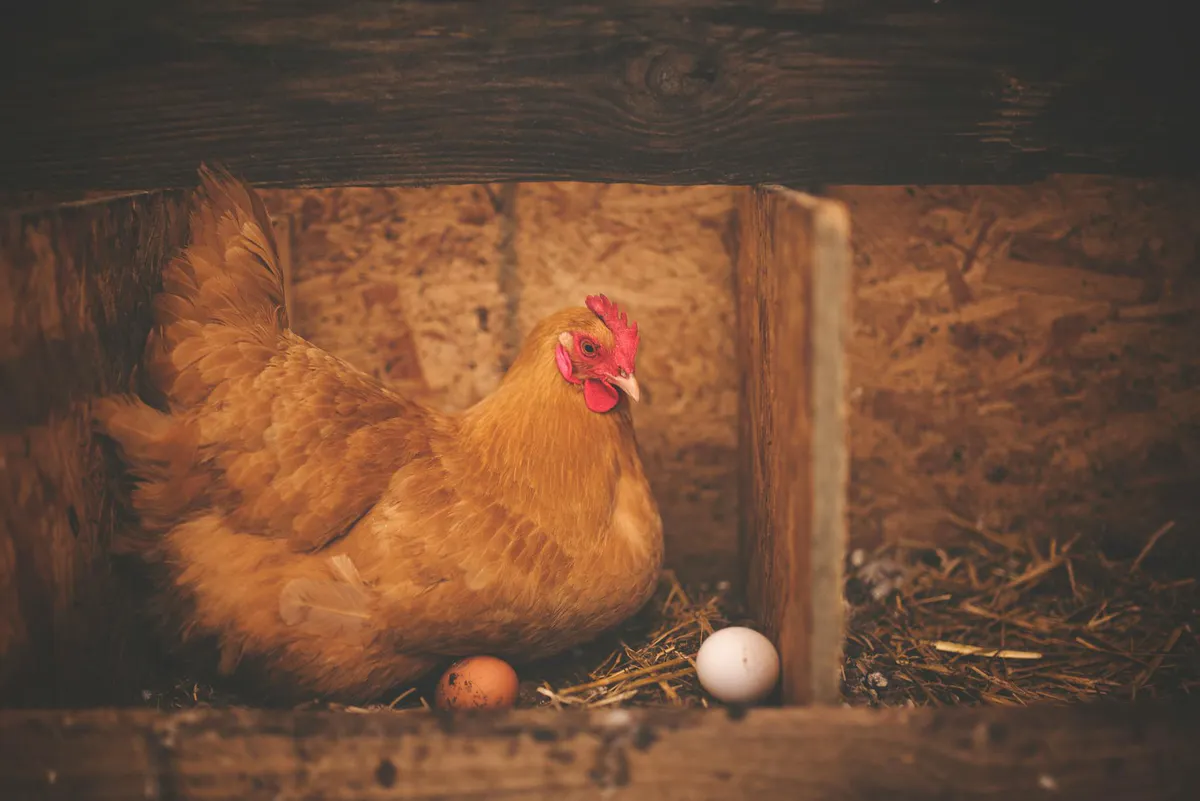
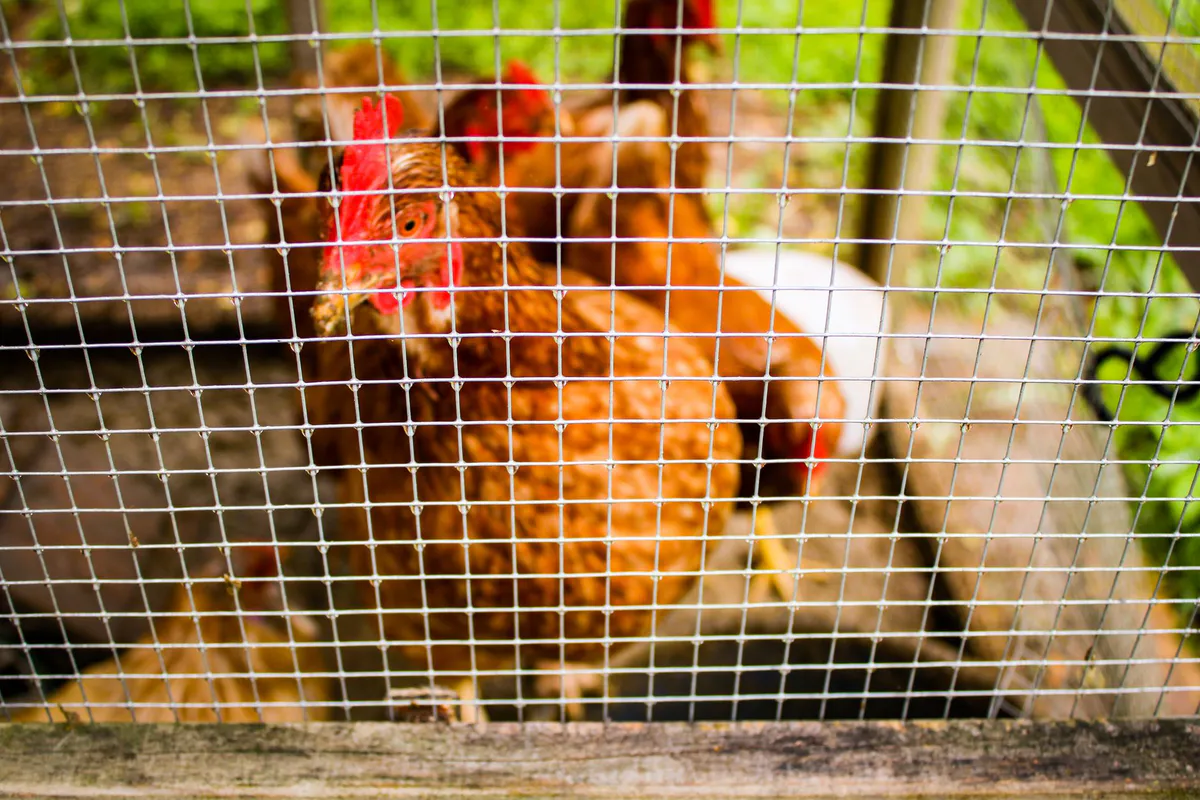
For a three- or four-hen backyard flock, choose steady layers with calm temperaments, not birds bred only to chase the highest possible egg count.
My short list is Australorp, ISA Brown or another red Sex Link, Rhode Island Red, Buff Orpington, Wyandotte, and Easter Egger.
There is no single best breed for every yard. A quiet hen matters more when the coop sits near a bedroom. Cold hardiness matters more where winter is long. A broody hen can be charming if you want chicks and frustrating if you only want breakfast.
The useful question is not “Which chicken lays the most?” It is “Which three or four hens will be easy to live with here?”
Small-Flock Breed Comparison
The egg ranges below are reasonable weekly expectations during a healthy hen’s productive season. They are not guarantees. Age, daylight, weather, stress, health, and diet all change production.
| Breed | Eggs per week | Temperament | Cold hardiness | Noise | Broodiness |
|---|---|---|---|---|---|
| Australorp | 4-5 | Calm, friendly | Very good | Quiet to moderate | Occasional |
| ISA Brown or red Sex Link | 5-6 | Friendly, people-oriented | Good | Moderate | Low |
| Rhode Island Red | 4-5 | Confident, sometimes assertive | Very good | Moderate | Low to occasional |
| Buff Orpington | 3-5 | Very calm, gentle | Very good | Usually quiet | High |
| Wyandotte | 3-5 | Calm but self-assured | Excellent | Quiet to moderate | Occasional |
| Easter Egger | 3-5 | Curious, usually friendly | Good | Quiet to moderate | Varies |
A seller can use “Sex Link” for several hybrids, so ask which cross you are buying. Easter Eggers are mixed birds rather than one standardized breed, which means their size, color, personality, and output vary more than a table can show.
Australorp: The Easy All-Around Choice
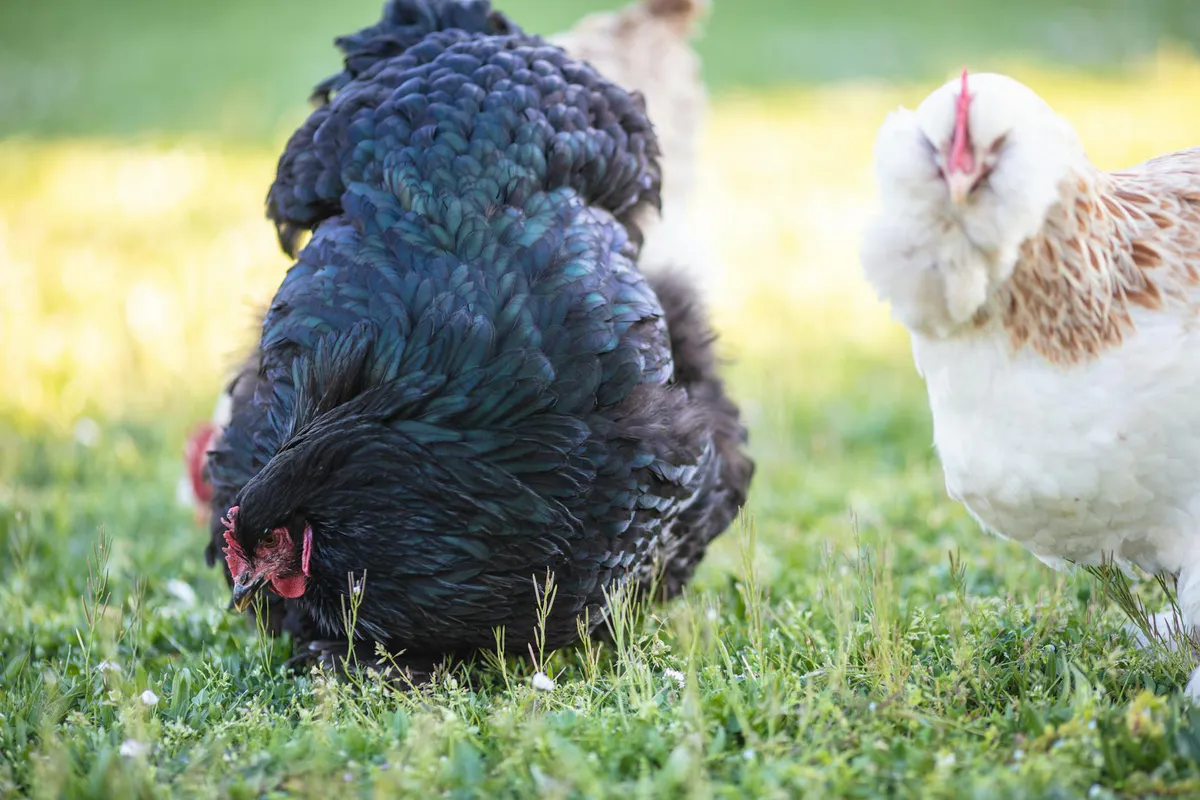
If you want one uncomplicated recommendation, start with Australorps.
They are dependable brown-egg layers, generally calm around people, and usually steady members of a mixed flock. Their dark plumage can look plain in a hatchery catalog, then show a green sheen in sunlight.
Australorps handle cold well when the coop stays dry and ventilated. Their relatively calm nature also makes them easier to contain than a flighty breed in a small yard.
The tradeoff is that an individual hen can go broody, and black feathers absorb heat. Shade and fresh water matter in hot weather. Do not choose any breed based on cold hardiness while ignoring summer conditions.
Best fit: A first-time keeper who wants a calm, balanced layer without a major temperament warning.
ISA Brown or Sex Link: The Egg Specialist
ISA Browns and similar red Sex Link hybrids are the strongest laying choice on this list. They tend to mature into productive, approachable hens and are common because their sex can be identified by color when young.
For a small property, their friendly behavior is a real advantage. Many learn quickly that people bring feed and will meet you at the gate.
The honest tradeoff is that high output asks a lot of the bird. Production hybrids are selected to lay heavily, not to be the longest-lived backyard pets. Individual lines vary, so ask the hatchery or breeder about the exact hybrid rather than treating every red Sex Link as identical.
They are generally less interested in brooding than heritage breeds. That is helpful when your priority is eggs, not hatching.
Best fit: A household that values steady egg numbers and accepts that a production hybrid is different from a slower-laying heritage hen.
Rhode Island Red: Productive but Assertive
Rhode Island Reds are hardy, reliable brown-egg layers. They shrug off weather that sends fussier breeds indoors, and they have earned their place in backyard flocks.
They are not always the mellow red hens that simplified breed charts promise. Some are friendly with people and pushy with other chickens. In a flock of three, one assertive bird has a lot of influence because there are fewer flockmates to spread that pressure across.
That does not make Rhode Island Reds bad birds. It means you should watch introductions, provide more than one feeding position, and avoid pairing one forceful hen with two timid birds in a cramped run.
Strains differ. A breeder selecting for calm temperament may produce very different birds from a high-output hatchery line.
Best fit: A keeper who wants a hardy layer and is willing to manage a confident personality.
Buff Orpington: The Gentle Family Hen
Buff Orpingtons are large, fluffy, calm birds that often tolerate handling well. They make sense in a yard where children will help with chores and where friendliness matters more than maximum output.
Their full feathering and calm disposition suit cold climates, provided the coop stays dry. They can struggle more in intense heat, so summer shade and airflow are essential.
Broodiness is the main tradeoff. A broody hen stops normal laying while she tries to hatch a clutch, even when no rooster is present and the eggs cannot be fertile. You may need to interrupt that cycle if eggs are your only goal.
They also take up more physical room than a lighter hybrid. Make sure the coop, doorway, and roost fit the actual adult bird.
Best fit: A family that wants a gentle hen and can accept seasonal broody behavior.
Wyandotte: Built for Cold Weather
Wyandottes are sturdy, rounded birds with a rose comb that is less exposed than a large single comb. They are one of the strongest cold-climate choices in this group.
They lay brown eggs at a steady pace and are often calm without being helpless at the bottom of the pecking order. That self-assurance can work well in a mixed flock.
Some individuals are aloof rather than cuddly. If you want a lap chicken, do not assume the beautiful feather pattern comes with an Orpington personality.
Wyandottes can become broody, though usually not as persistently as Buff Orpingtons. Their dense feathering still needs a dry coop. Cold hardy does not mean immune to moisture or frostbite.
Best fit: A northern yard that needs a steady layer with a cold-friendly comb and a balanced flock presence.
Easter Egger: Color and Personality
Easter Eggers are the fun choice. They may lay blue, green, or tinted eggs, and that variety makes a small egg basket feel special. Children often enjoy recognizing which hen laid which color.
They are usually curious and friendly, with output that is respectable rather than industrial. Many have pea combs, which can be helpful in cold weather.
Because Easter Egger is a type rather than a standardized breed, predictability is the tradeoff. One bird may be quiet and compact while another is vocal and active. Egg color can be described by the seller, but no hen lays a rainbow of colors. Each hen lays her own usual shade.
Broodiness varies with the bird’s background. Ask questions about the parent stock when buying from a local breeder.
Best fit: A family that values colored eggs and individual personality as much as the weekly count.

The Best Mix for Three or Four Hens
For the simplest flock, choose three or four birds with similar size and temperament. They do not need to be the same breed.
A practical four-hen mix might include two Australorps, one Wyandotte, and one Easter Egger. That gives steady output, a cold-hardy core, and one colored-egg layer without putting a timid bird beside a flock of aggressive hens.
Another good option is two Sex Links and two Buff Orpingtons. The hybrids bring higher output while the Orpingtons bring calmer behavior. Watch that the faster, more active birds do not crowd the larger gentle hens away from feed.
I would be cautious about combining one very small bird with several large hens. I would also avoid a single unusual-looking bird if the other three already pick at differences. Chickens notice novelty.
Buy birds of similar age when possible and introduce newcomers gradually. Even friendly breeds establish a pecking order.
Eggs Per Week Are Not Eggs Forever
Those table numbers describe the productive season of a healthy laying hen. They do not describe every week of her life.
Pullets need time to mature before the first egg. Adult hens often slow or stop during molt. Short winter days reduce laying. Production generally declines as hens age.
A broody hen may stop laying while she sits. A stressed hen can pause. A flock that is short on complete feed or clean water will not meet a catalog estimate.
Do not buy more birds just to cover the lowest winter week unless you actually want to care for that larger flock all year. Summer surplus is the other side of winter slowdown.
Cold Hardiness Does Not Replace Coop Management
Australorps, Rhode Island Reds, Buff Orpingtons, and Wyandottes all have good cold-weather reputations. They still need dry bedding, unfrozen water, a draft-controlled roost, and high ventilation.
Moisture is the bigger winter threat. The coop insulation and winter ventilation guide explains why sealing every opening creates trouble even for a cold-hardy breed.
In a hot climate, reverse the emphasis. Choose birds that handle local heat, provide deep shade, and move plenty of air. A breed being excellent in Maine does not make it excellent in a hot inland yard.
Set Up Before the Birds Arrive
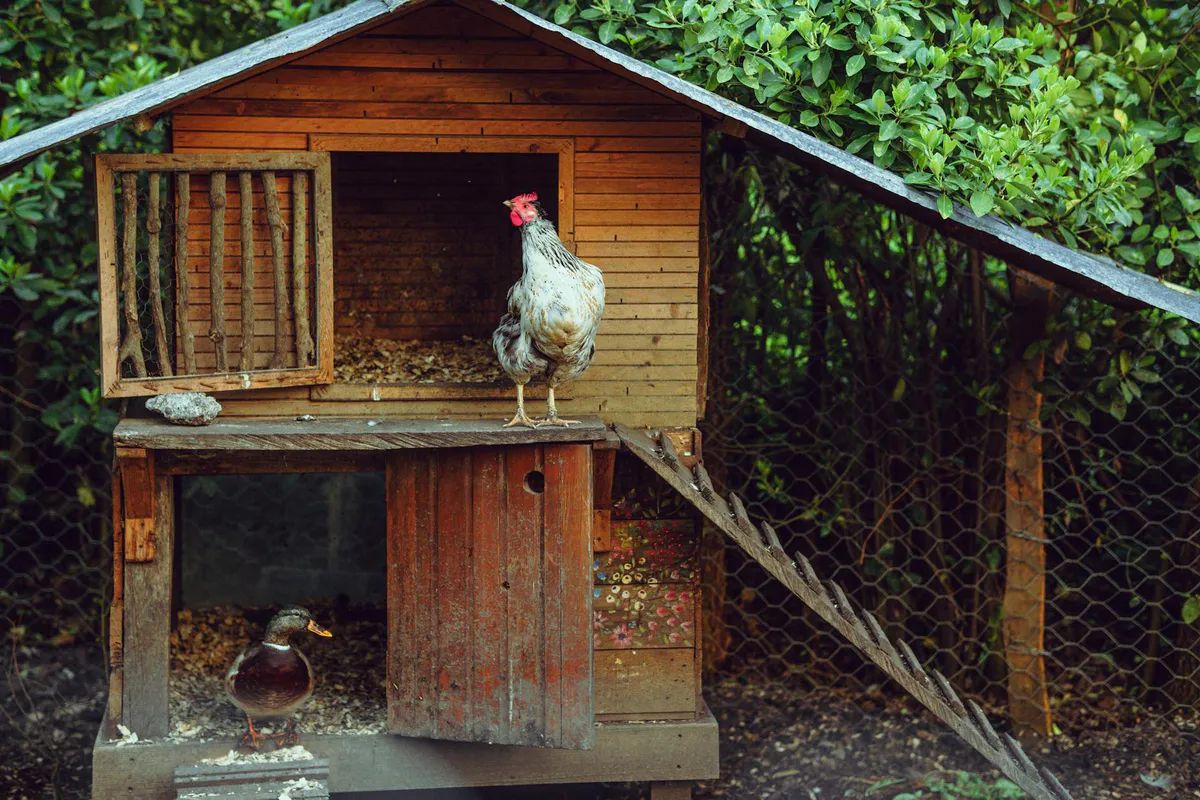
Finish the coop, run, feeder, waterer, roost, and nests before bringing chickens home.
For three or four hens, one or two nesting boxes is enough. Put them lower than the roost. Fill them with dry bedding and add a fake egg when pullets approach laying age.
Set out complete feed in a container every bird can reach. Keep grit and oyster shell in separate free-choice cups. Do not wait for a soft egg or digestive problem to learn which is which.
A large automatic feeder can reduce refill trips and protect feed, but it is not automatically the best purchase for a tiny flock. If you check the birds twice a day anyway, a simple covered feeder may be enough.
Water capacity deserves the same honest calculation. A larger drinker means fewer refills, but it is heavier to carry and still needs regular cleaning. Buy for your chore routine, not the biggest number on the listing.
My Straight Recommendation
If you want four hens with the least drama, start with calm birds from two compatible breeds. Australorp plus Wyandotte is a strong cold-climate pairing. Australorp plus Easter Egger is a friendly general-purpose pairing. Add a Sex Link when egg volume matters more than keeping an all-heritage flock.
Choose Rhode Island Reds with open eyes about assertiveness. Choose Buff Orpingtons with open eyes about broodiness. Choose Easter Eggers with open eyes about variability.
No breed name cancels individual personality. Give the flock enough room, more than one place to eat and drink, and a secure coop. A content small flock that lays a little less is a better backyard system than a stressed flock selected from a production chart.