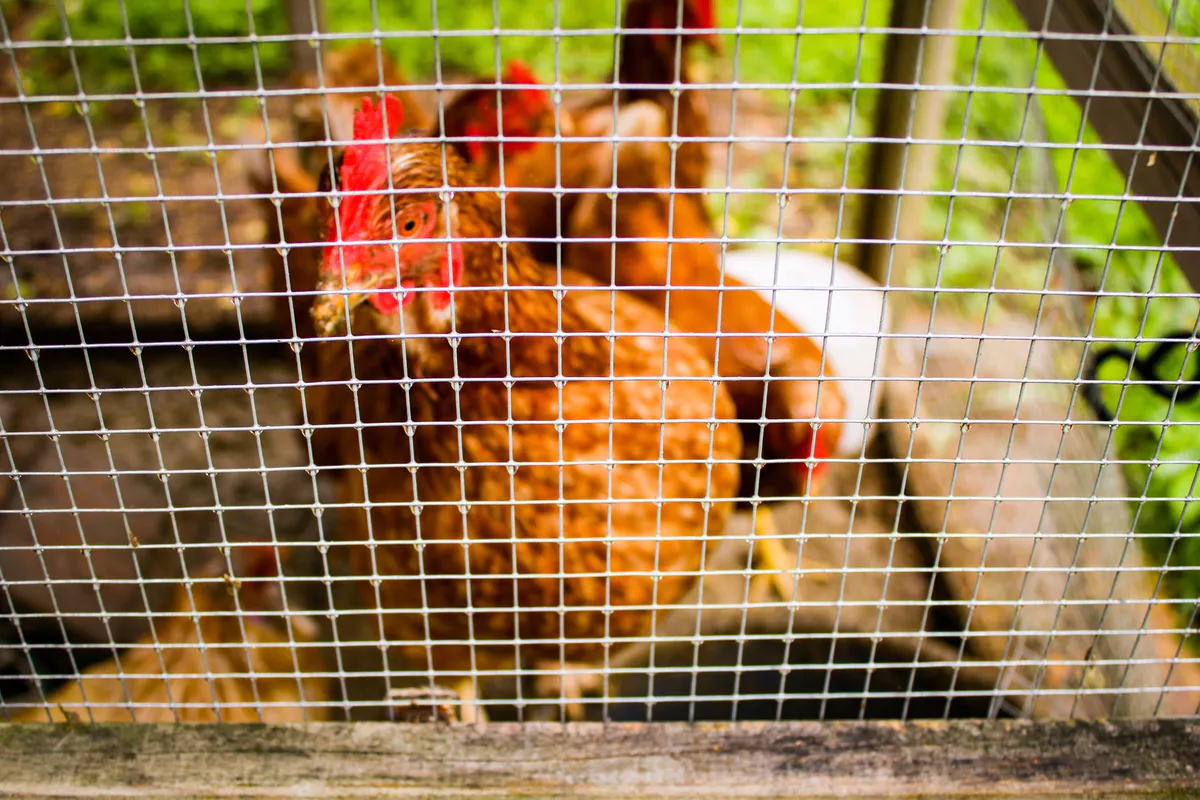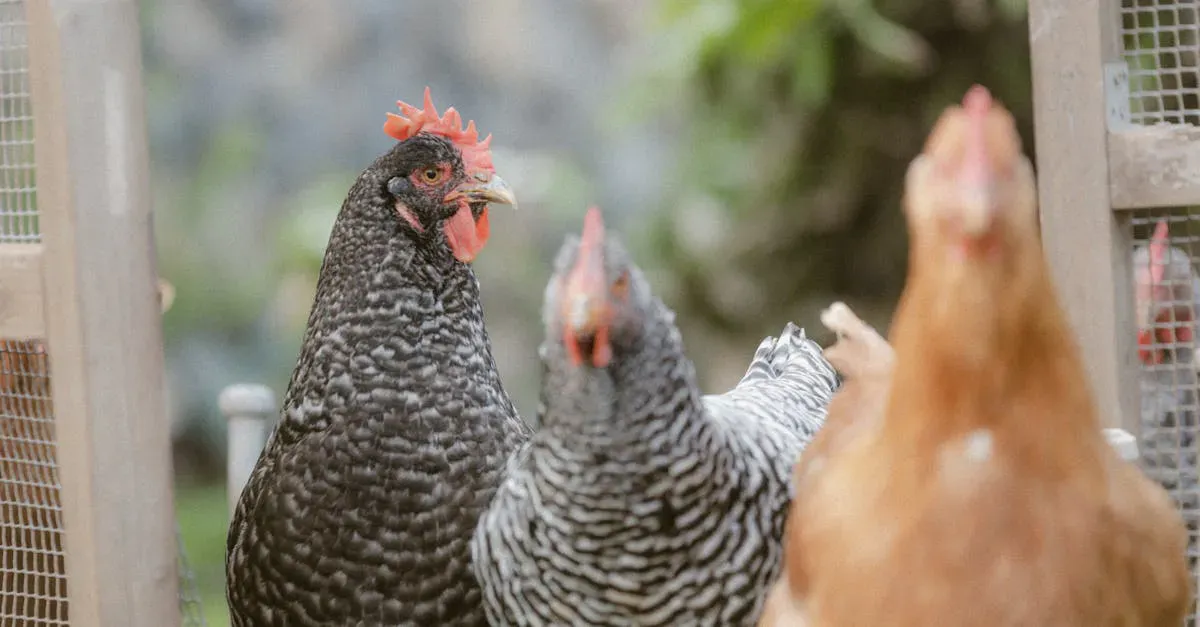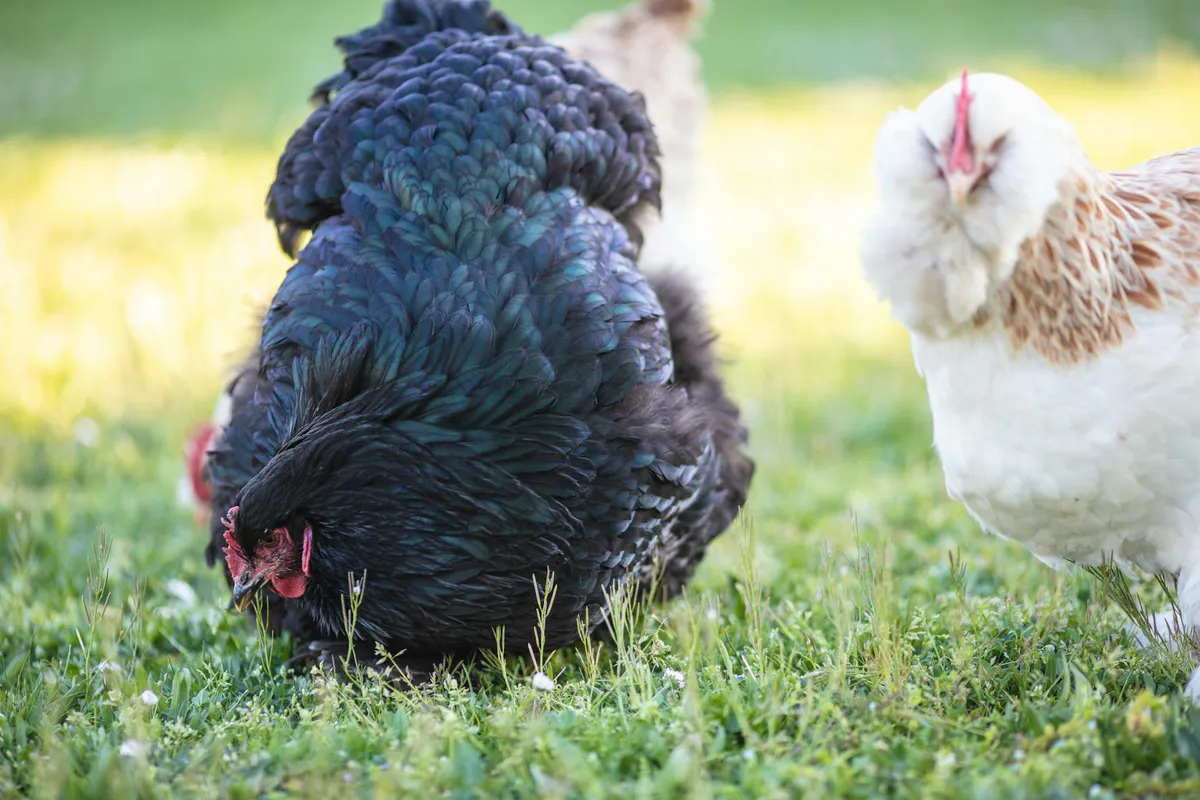

Most backyard hens do not need a heater. If yours do, use a flat radiant panel on a thermostat, never a heat lamp.
Healthy, fully feathered adult hens stay warm in a dry coop with good airflow and no drafts. UNH Extension advises against added heat in most cases, because bedding burns easily. It also says a heater may make sense for smaller breeds, and then it should be one made for chicken coops. Before you buy anything, work through how to get the coop ready for winter. Dry air and no drafts do more than heat.
A panel is worth a look when you keep bantams or other small breeds, when you are nursing a sick bird kept apart from the flock, or when a long run of nights below 0 F meets a coop you cannot make draft-free. Four panels cover those cases. All four are flat radiant heaters from 140 to 200 watts, a small fraction of a 1,500-watt space heater, with no bulb to break or fall into the bedding.
Cozy Products Cozy Coop Flat-Panel Heater
The Cozy Coop is the panel most people mean when they search for a coop heater. It is a 150-watt flat radiant panel that mounts on a wall or stands on its own feet. Cozy Products says it is ETL-listed, rated for zero clearance and has a built-in thermal protector, and that it uses about 13% of the power of a standard 1,500-watt space heater.
It has an on and off switch, plus a second switch on the cord, but no thermostat. Left on, it runs all night. Pair it with a thermostat outlet (below) so it only runs when the coop gets cold. The panel face can reach about 170 F, per the maker, so mount it where birds cannot stand on it or press against it.
Chickcozy Smart Coop Heater
The Chickcozy is the pick if you will raise chicks in spring and want one heater for both jobs. Laid flat on its legs, it works as a brooder plate for chicks. Stood up or mounted on a wall, it warms adult hens. It is 200 watts and about 16 by 11 inches.
A built-in sensor raises or lowers the output to hold the setting you choose, from 70 to 190 F. That number is the panel’s own heat, not the air in the coop. Chickcozy gives 70 to 95 F for chicks and 100 to 190 F for adult hens. The listing says it is UL and FCC certified and works with an outlet timer or thermostat, which are sold separately.
TIMEBAL Chicken Coop Heater
The TIMEBAL suits a tight coop you do not want to climb into. It has a digital display and a remote, so you can change the setting from the door. The setting runs from 122 to 191 F of panel heat. It is 200 watts and mounts on a wall or stands inside the coop.
Two safety features stand out on the listing. It shuts off if the panel tips past 45 degrees, and it keeps its settings and turns itself back on after a power cut. That second point matters if you run it from a thermostat outlet, which switches the power off and on. TIMEBAL lists it as UL certified and rated for zero clearance. It is a newer brand than Cozy Products, so it has a shorter track record.
PETNF Chicken Coop Heater
The PETNF draws the least power here, at 140 watts. It stands on its own or mounts on a wall, and its 6.5-foot cord gives some room to place it. The listing gives few other details and no thermostat, so treat it as a plain on and off panel and pair it with a thermostat outlet.
Run it on a thermostat
A panel with no thermostat runs all night, even on a mild one. A plug-in thermostat outlet fixes that. You set a temperature, and the outlet switches the heater on only when the coop air drops below it.
Can a solar coop heater work?
Not for a radiant panel through the night. A 150-watt panel running for 12 hours uses about 1,800 watt-hours. A 100-watt solar panel collects only a few hundred watt-hours on a sunny winter day, so you would need a large panel and a big battery to run even the smallest heater here overnight. If the coop has no power, skip heat and spend the effort on dryness, airflow and a draft-free roost, as our guide to keeping chickens warm without electricity explains.
How We Picked These
Flat radiant panels only. No bulbs, no lamps and no space heaters. Each pick is sold for chicken coops or small animals and mounts on a wall or a stand.
Low wattage. Each panel draws 140 to 200 watts, so it can share a circuit with a heated waterer.
Listed safety features. Each listing names a safety certification or a safety cutoff. We report what the makers state; we have not tested these heaters.
Frequently Asked Questions
Before You Buy
A heater is the last step in a winter coop, not the first:
- How to insulate a chicken coop for winter. Where to vent, what to cover and how to stop drafts.
- Best heated chicken waterers. Liquid water matters more than warm air.
- Keeping chickens warm in winter without electricity. What works when the coop has no power.
Bottom Line
Most flocks need dryness and airflow, not heat. If you keep bantams, are nursing a sick bird, or face a brutal cold snap in a drafty coop, the Cozy Coop is the simple, well-known panel, and a DEWENWILS thermostat outlet makes it run only when needed. Pick the Chickcozy for one heater that also broods chicks, the TIMEBAL for a remote and display, or the PETNF for the lowest draw. Whatever you pick, fix it in place, run it on a GFCI outlet, and keep it set low.