
On this page · 7 sections
Getting into solar now is far easier and cheaper than it was a decade ago, mostly because of the rise of all-in-one solar generators.
Short answer: for most people who want backup power or a little off-grid capability, a solar generator kit (a battery power station plus some portable panels) is the right starting point. It’s plug-and-play, there’s no wiring, and you can have it running in twenty minutes. If you want more capability and you don’t mind doing some work, a small DIY off-grid system gives you more for your money. Here’s the full breakdown.
The Big Misconception: Grid-Tied Solar Shuts Off in an Outage
This is the single most important thing to understand before you spend a dollar, and it’s the thing almost everyone gets wrong.
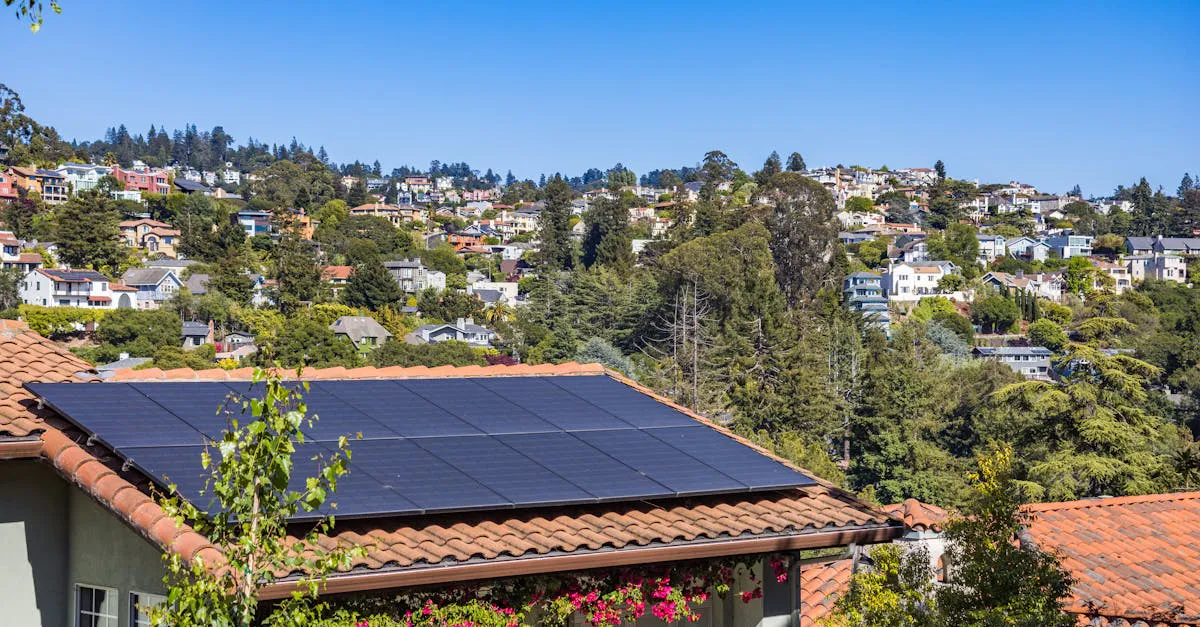
If you have a standard grid-tied rooftop solar system with no battery, your panels do NOT power your house when the grid goes down. The power goes out, the sun is shining, your roof is covered in panels, and you still have no electricity.
The reason is a safety feature called anti-islanding. Grid-tied inverters are required to shut themselves off the instant they lose the grid signal. If they didn’t, they’d keep pushing power onto the lines, which could electrocute a utility worker who thinks the line is dead. So the inverter disconnects, and your fancy solar array sits there doing nothing.
People install rooftop solar specifically because they want backup power during outages, then find out during the first storm that it doesn’t work that way. Backup power needs batteries. Full stop. If keeping the lights on during an outage is your goal, you are shopping for batteries with solar attached, not solar with batteries as an afterthought.
The Three Approaches Compared
For a small home or homestead, there are three realistic ways to do solar. They solve different problems.
Solar Generator (Power Station + Portable Panels)
This is the easiest path, and it’s where I send most beginners. A solar generator is a battery power station with a built-in inverter and charge controller, paired with portable solar panels that plug straight into it. No wiring, no electrician, no permits. You set the panels in the sun, plug them in, and the box charges.
You run your gear off the outlets on the front. When the battery is low, the sun refills it. That’s the whole system.
Brands like EcoFlow, Jackery, Bluetti, and Anker SOLIX dominate this category. Kits run from budget-priced for a small one up to high-end for a large unit with multiple panels. The appeal is simplicity and portability. The limitation is that you’re capped by the battery size you bought, though many units let you add expansion batteries later.
DIY Off-Grid System
This is panels, a charge controller, a battery, and an inverter that you assemble yourself. More work, more wiring, more learning. In exchange, you get more capability per dollar and a system you can size exactly to your needs.
A DIY system makes sense for a shed, a cabin, a well house, or a homestead outbuilding you want to run independently. You can build a meaningful system from Renogy components for less than a comparable solar generator would cost, but you have to wire it correctly and understand the basics. This is the path for people who like projects.
Grid-Tied With Battery Backup
This is the big professional install. Rooftop panels tied into your home’s electrical panel, plus a battery (Tesla Powerwall, EcoFlow whole-home, Enphase, etc.) that kicks in during an outage. It lowers your monthly bill AND keeps critical circuits running when the grid drops.
It’s also the most expensive by far, a significant investment before incentives, and it requires permits, an electrician, and utility approval. It’s the right answer if you want to cut your power bill and have whole-home backup, but it’s overkill if you just want to keep a fridge and some lights going during the occasional outage.
The Components Explained Simply
Whether you buy a solar generator or build your own, the same four parts are doing the work. In a solar generator, all four are bundled inside one box. In a DIY build, you buy and connect them separately.
Solar panel. This turns sunlight into DC electricity. Panels are rated in watts, commonly 100W, 200W, or up to about 400W for a large rigid panel. More watts means more power per hour of sun. Portable panels (the folding kind that come with solar generators) are usually 100W to 220W.
Charge controller. This sits between the panel and the battery and regulates the charge so you don’t fry the battery. There are two types. PWM is older, cheaper, and less efficient. MPPT is newer and noticeably more efficient, especially in cold weather or when the panel voltage is higher than the battery voltage. Get MPPT. The efficiency gain (often 15 to 30 percent more usable power) is worth the extra cost. Solar generators all use MPPT internally.
Battery. This stores the energy so you can use it at night or during an outage. The current standard is LiFePO4 (lithium iron phosphate). It’s safer, handles thousands of charge cycles, and lasts far longer than the old lead-acid batteries. Lead-acid is cheaper upfront but heavier, shorter-lived, and it hates the cold. For anything new, go LiFePO4.
Inverter. This converts the battery’s DC power into the 120V AC that your household devices expect. A pure sine wave inverter is what you want, since cheap modified sine wave units can damage sensitive electronics. Again, solar generators have a good inverter built in.
A solar generator simply takes those four parts and packages them in a single case with handles, a screen, and outlets. That’s the entire reason it’s so much easier than DIY.
Realistic Expectations: How Much Power You Actually Make
This is where beginners get burned, so I want to be honest about it.
A 100W solar panel does NOT make 100 watt-hours per hour all day. The 100W rating is the panel’s output under perfect lab conditions: full direct sun, ideal angle, cool temperature. Real life is cloudier, dustier, and crookeder than the lab.
In good conditions, a 100W panel realistically produces somewhere around 300 to 500 watt-hours over a full day. Not 1,200 (which is what you’d get if it hit 100W for twelve hours), but a few hundred, because of:
- Sun hours. You only get strong, productive sun for a handful of hours, not the whole daylight period. Most of the US sees four to six “peak sun hours” per day depending on season and location.
- Angle and orientation. A panel flat on the ground or facing the wrong way makes a fraction of its rating.
- Clouds and haze. Output drops hard on overcast days, sometimes to 10 to 25 percent.
- System losses. Wiring, charge controller, inverter, and heat all eat a slice on the way from panel to outlet.
So if you have a 200W panel kit, plan on roughly 600 to 1,000 watt-hours on a good day, and much less when it’s cloudy. That’ll keep phones, laptops, lights, a modem, and a small fridge topped up, but it won’t run an air conditioner or an electric range. Size your expectations to the real numbers, not the sticker. For help matching a power station to your actual loads, see my guide on what size power station do I need.
A Simple Starter Setup I’d Recommend
If you’re starting from zero and want backup for the essentials (lights, phones, internet, a fridge, maybe a CPAP), here’s the setup I’d point a friend toward.
Get a midsize solar generator in the 1,000 to 2,000 watt-hour range with one or two folding panels. Real options in this range, with more detail in the portable power stations we recommend:
- EcoFlow Delta 2 (about 1,024Wh, a premium pick with a panel). Fast charging, expandable, very popular. A solid all-rounder.
- Jackery Explorer 1000 + SolarSaga panels (about 1,070Wh, a premium kit). Simple, reliable, easy for beginners.
- Bluetti AC200L (about 2,000Wh, a high-end option). More capacity and a beefier inverter if you want to run bigger loads or expand later.
- Anker SOLIX units in a similar range are also worth a look and often go on sale.
Pair any of these with one or two 100W to 220W portable panels (the matching brand panel or a Renogy panel works). Total cost lands somewhere in the premium-to-high-end range depending on size and how many panels you add. Treat those prices as approximate, since they swing a lot with sales.
This kind of setup keeps the important stuff alive through a multi-day outage, recharges from the sun, and requires zero installation. When the power’s on, you can keep it topped off from a wall outlet and just use solar as a bonus. If your main worry is the refrigerator specifically, I go deeper in how to keep your fridge running during a power outage.
Scaling Up Over Time
The nice thing about starting with a solar generator is that you’re not locked in. Most modern units let you grow.
Add expansion batteries. Most EcoFlow and Bluetti units accept add-on battery packs that double or triple your storage without buying a whole new system. Start with one battery, add more as your needs (or budget) grow.
Add more panels. More panel wattage means faster recharging, which matters most in winter and on cloudy days. Going from one panel to two or three can be the difference between barely keeping up and comfortably staying charged.
Graduate to a DIY system. Once you understand your usage, you might add a small Renogy-based off-grid system for a shed, well house, or workshop. A common homestead pattern is a portable solar generator for the house essentials plus a fixed DIY array on an outbuilding. If you’re trying to keep a well running when the grid drops, that’s a specific problem with its own quirks, covered in power stations that can run a well pump.
The point is, you don’t have to buy your final system on day one. Start small, learn what you actually use, and grow into it.
Mistakes Beginners Make
Undersizing the battery. This is the big one. People buy the smallest unit to save money, then discover it dies halfway through the first night. Buy more capacity than you think you need. You will always find more uses for it.
Expecting grid-tied panels to work in an outage. Covered above, but it bears repeating. Rooftop solar with no battery gives you nothing when the grid is down. If backup is the goal, you need batteries.
Buying a cheap PWM charge controller. On a DIY build, skimping here throws away real power. The few extra dollars for an MPPT controller pays for itself in efficiency, especially in cold or low-light conditions. Spend the money.
Using lead-acid batteries in the cold. Old lead-acid batteries lose a big chunk of their capacity in freezing temperatures and wear out fast if you discharge them deeply. If you live anywhere with real winters, LiFePO4 is the move. It handles cold far better and lasts many times longer. The higher upfront cost works out cheaper over the life of the system.
Ignoring panel placement. A great panel pointed the wrong way or stuck in afternoon shade underperforms badly. Aim panels toward the sun (south in the Northern Hemisphere), tilt them up, and keep them out of shade during peak hours. Placement is free power.