
On this page · 8 sections
Most vegetables grow fine in a raised bed that holds about 10 to 12 inches of soil. Leafy greens and herbs are happy with less, around 6 inches. Root crops like carrots and potatoes want more, 18 inches or deeper. One depth does not fit every plant, and buying deeper than you need wastes money and soil.
Small Property Living is reader-supported. As an Amazon Associate we earn from qualifying purchases, at no extra cost to you.
The short answer: minimum depth for most vegetables
If you only build one bed and grow a mix of common vegetables, make it at least 10 to 12 inches deep. That depth covers tomatoes, peppers, beans, lettuce, herbs, and most everything a small-yard gardener plants in a first season.
The reason is roots. Most vegetable roots do their real work in the top 6 to 10 inches of soil. Give them 10 to 12 inches and they have room to anchor, drink, and feed without hitting the bottom. The absolute minimum soil depth for a raised bed growing vegetables is about 6 inches, but 6 inches dries out fast and limits what you can grow. Treat 6 inches as a floor, not a target.
Go deeper only when the crop needs it. Carrots, parsnips, and potatoes are the ones that push past 12 inches. Everything else fits inside the standard range.
Raised bed depth by vegetable
Here is the quick chart. Minimum depth is what the crop will tolerate. Ideal depth is what gives you the best yield and the least watering.
| Crop | Minimum depth | Ideal depth | Notes |
|---|---|---|---|
| Lettuce and greens | 6 in | 8-10 in | Shallow roots. Great for the smallest beds. |
| Herbs | 6 in | 8-12 in | Basil and parsley are shallow. Rosemary likes more. |
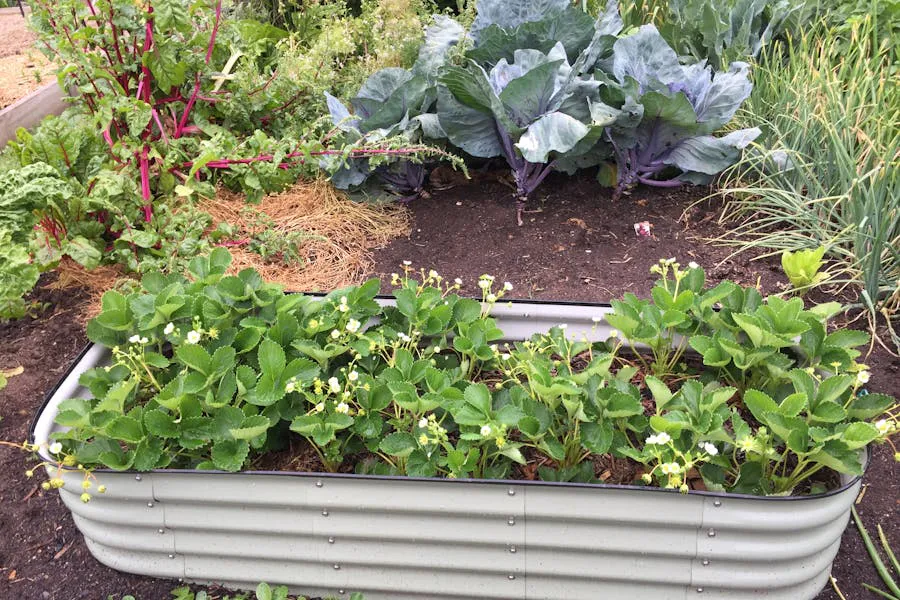
| Strawberries | 6 in | 8-10 in | Roots stay near the surface. Wide beats deep. |
| Beans | 8 in | 10-12 in | Bush beans are easy. Pole beans want a trellis, not depth. |
| Peppers | 10 in | 12 in | Need steady moisture, so deeper holds water better. |
| Tomatoes | 12 in | 18 in | Deep roots and big plants. More depth means less watering. |
| Carrots | 12 in | 18 in+ | Roots are the crop. Short depth means short, forked carrots. |
| Potatoes | 12 in | 18-24 in | You hill them up, so they want real height. |
The pattern is simple. If you eat the leaves, go shallow. If you eat the fruit, go medium. If you eat the root, go deep.
How deep for tomatoes and peppers
Tomatoes are the big eaters of the bed. They want at least 12 inches, and they reward you for going to 18. The deeper soil holds more water, which matters because a thirsty tomato in a shallow bed can need watering twice a day in summer heat. Tomatoes also like being planted deep, buried up to their lower leaves, so they root along the stem. A shallow bed fights that habit.
Peppers are smaller but want the same steady moisture. Ten inches works. Twelve is better. In a shallow bed, peppers stress and drop blossoms when the soil swings from soaked to bone dry.
If your bed runs deep enough for tomatoes, it covers nearly everything else too. That is why 12 inches is the sweet spot for a single mixed bed.
How deep for carrots, potatoes and root crops
This is where depth really matters, because the root is what you harvest. Carrots need at least 12 inches, and long varieties want 18 inches or more of loose, stone-free soil. Pack them into a shallow bed and you get stubby, forked carrots that hit the bottom and bend.
Potatoes are the deepest crop most people grow. You plant them low and hill soil up around the stems as they grow, so they need real vertical room. Aim for 18 to 24 inches. A tall bed lets you bury the plant in stages and grow a bigger harvest in the same footprint, which is exactly what a small yard wants.
Parsnips, beets, and turnips sit in the middle. Beets and turnips manage at 10 to 12 inches. Parsnips are long like carrots and want the full 18.

A tall bed has a bonus that has nothing to do with roots. Less bending. If your back complains, a 17 to 24 inch bed brings the soil up to a comfortable working height. Most of these deep options are coated steel, so if you’re wondering whether metal raised beds are safe and how hot the soil gets, it’s worth a read before you buy.
How deep for herbs, lettuce and strawberries
These are the shallow crops, and they are the reason you should not assume deeper is always better. Lettuce, spinach, arugula, and most herbs root in the top few inches. Six inches grows a fine crop. Eight to ten gives a little buffer against drying out.
Strawberries are the same story. Their roots stay near the surface, so they care more about width than depth. A shallow, wide bed grows more berries than a deep, narrow one.
This is good news for tight spaces. A short bed costs less, fills with less soil, and is light enough to sit on a balcony or patio. If your whole plan is salad greens and kitchen herbs, you do not need a deep bed at all.
Do you need to fill the whole depth with soil?
No. This is the part that saves you the most money, and it’s easy to miss when you’re new.
Plant roots only need good soil in the top 10 to 12 inches. So in a tall bed, you do not have to buy expensive garden mix all the way to the bottom. You fill the lower portion with cheap or free bulky material, then cap the top foot with quality soil where the roots actually live.
Good fill for the bottom layer includes logs, branches, leaves, cardboard, straw, grass clippings, and old potting soil. These break down over time, feed the bed, and improve drainage. The technique of layering wood at the base is often called hugelkultur, but you do not need a fancy name to do it. You just need to stop paying for soil that no root will ever touch.
In a 24-inch bed, buying good soil for only the top foot means buying about half as much. We walk through the cheapest way to do it in our guide on how to fill a raised garden bed cheaply.
The one exception is shallow root crops in a tall bed. If you are growing carrots in an 18-inch bed, that whole depth needs to be loose and stone-free, so do not pack the bottom with logs in a carrot bed.
12-inch vs 18-inch vs 24-inch beds: which to buy
The depth you buy should match what you plan to grow most, not the deepest crop you might try someday.
A 12-inch bed is the everyday workhorse. It grows tomatoes, peppers, beans, greens, herbs, and most everything a small yard plants. It is the right call if you want one bed that does a bit of everything. The 12-inch vs 18-inch question usually comes down to one thing: are you serious about root crops?
An 18-inch bed adds room for carrots, parsnips, and potatoes, and it makes watering easier because deeper soil dries slower. It also saves your back. If you grow root vegetables or you want the most forgiving bed in a hot climate, go 18.
A 24-inch bed is a comfort-height bed. It is the choice for potatoes, for gardeners who do not want to bend, and for anyone filling the base with cheap material anyway. Just remember the deeper the bed, the more fill it takes, even if most of that fill is free.
If you are still deciding between models, our roundup of the best raised bed kits breaks down depths, materials, and which size fits a small yard.
Raised beds on grass or concrete: does depth change?
It can. The surface under your bed changes how much usable depth you really get.
On grass or open soil, roots can grow past the bottom of the bed into the ground below, so a 12-inch bed effectively gives a bit more room. Lay cardboard down first to smother grass, then build on top. Most beds on soil do not need a bottom.
On concrete, a patio, or a balcony, the bed is a closed container. Whatever depth you build is all the root depth there is. On a hard surface, go a few inches deeper than you would on soil, and make sure there is drainage so water does not pool. For root crops on concrete, the full 18 inches is not optional, it is the whole growing zone.
Match the depth to the crop and the surface, and you grow more while spending less. For ideas on what to plant in a tight footprint, see our guide to the best vegetables for small gardens. And if you are planning beds for a household, our breakdown of raised beds for a family of three shows how much depth and space actually feeds people. When you are ready to buy, compare options in our best raised bed kits roundup.