
On this page · 8 sections
Short answer: sometimes. Raised beds are not magic. They solve a specific set of problems, and if you don’t have those problems, you’re paying for looks. This is the honest version for someone with a normal suburban lot and room for one or two beds, not forty acres and a tractor.
Small Property Living is reader-supported. As an Amazon Associate we earn from qualifying purchases, at no extra cost to you.
What’s the actual point of a raised bed?
A raised bed is just a box of soil sitting on top of your existing ground. That’s it. The whole value comes from one idea: you get to control the soil instead of fighting whatever nature gave you.
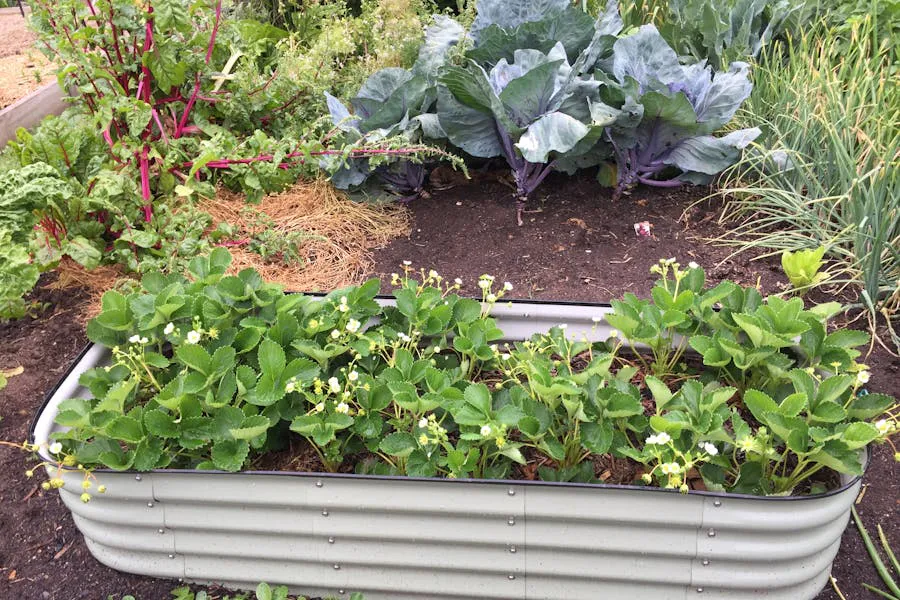
That control does a few real things. You fill it with good loose soil from day one, so roots grow without hitting compacted clay. It drains better because water moves down and out instead of pooling. It warms up earlier in spring. And the sides hold everything in a tidy rectangle, which matters more than people admit when your whole growing area is the size of a parking space.
None of that requires a raised bed, though. It just makes those things easier. Keep that in mind, because the rest of this post is really about whether “easier” is worth the cost for your specific yard.
Are raised beds better than in-ground?
Not better. Different. Each one wins at different things.
In-ground gardening is nearly free. You dig, you amend, you plant. The soil holds moisture longer because it’s connected to the deep earth below. Roots can go as far down as they want. For a lot of people with decent native soil, in-ground quietly outperforms a raised bed and costs almost nothing.
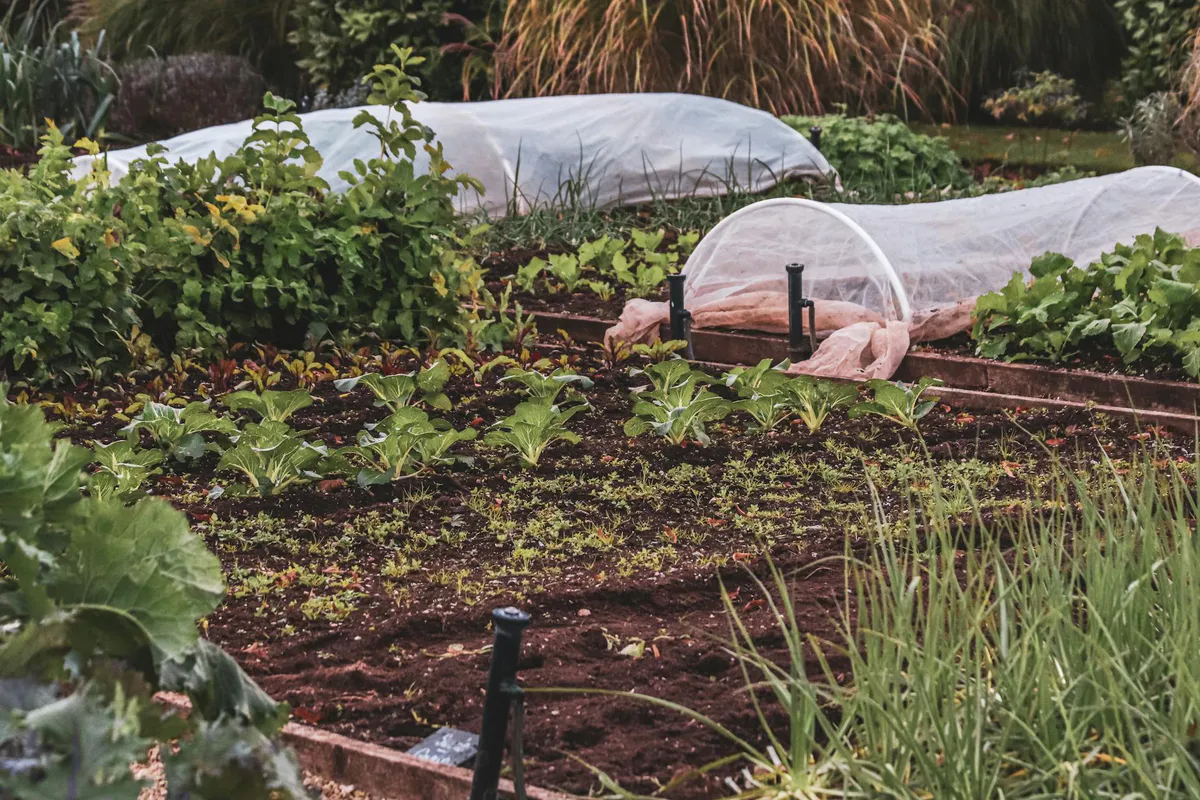
Raised beds win on control and comfort. Better drainage, earlier spring warmth, no bending all the way to the ground, and a clean edge that keeps grass from creeping in. They also let you garden where you literally can’t dig: over a buried utility line, on a patio, on top of gravel or hard pan.
The honest comparison comes down to your dirt. Good native soil tilts the answer toward in-ground. Bad native soil tilts it hard toward raised. We cover the bad-soil case in depth in our guide on fixing clay soil with raised beds.
The real cost (kit plus soil to fill it)
Here’s where people underestimate. The bed is the cheap part. The soil to fill it is the expensive part, and almost nobody budgets for it. The good news: you can fill a raised bed cheaply with layered fill and cut that bill by half or more.
A 4x8 bed a foot deep needs roughly 32 cubic feet of soil. That is a lot of bags, or a delivered scoop of bulk soil. Buying enough bagged mix to fill a single bed often costs more than the bed frame itself. This is the number that surprises first-timers, so plan for it as a major up-front cost, not an afterthought.
The frame itself can be inexpensive. A simple cedar kit is about as basic as it gets, and it’s a good way to find out whether raised beds even suit how you garden before you commit to a yard full of them.
If you want to skip the soil-volume problem almost entirely, a fabric bed holds less soil and costs the least to fill. It’s the cheapest honest way to try the raised approach for one season.
When you’re ready to compare frames properly, our roundup of the best raised bed kits breaks down materials, sizes, and which ones actually hold up.
When raised beds ARE worth it (clay/poor soil, drainage, back strain)
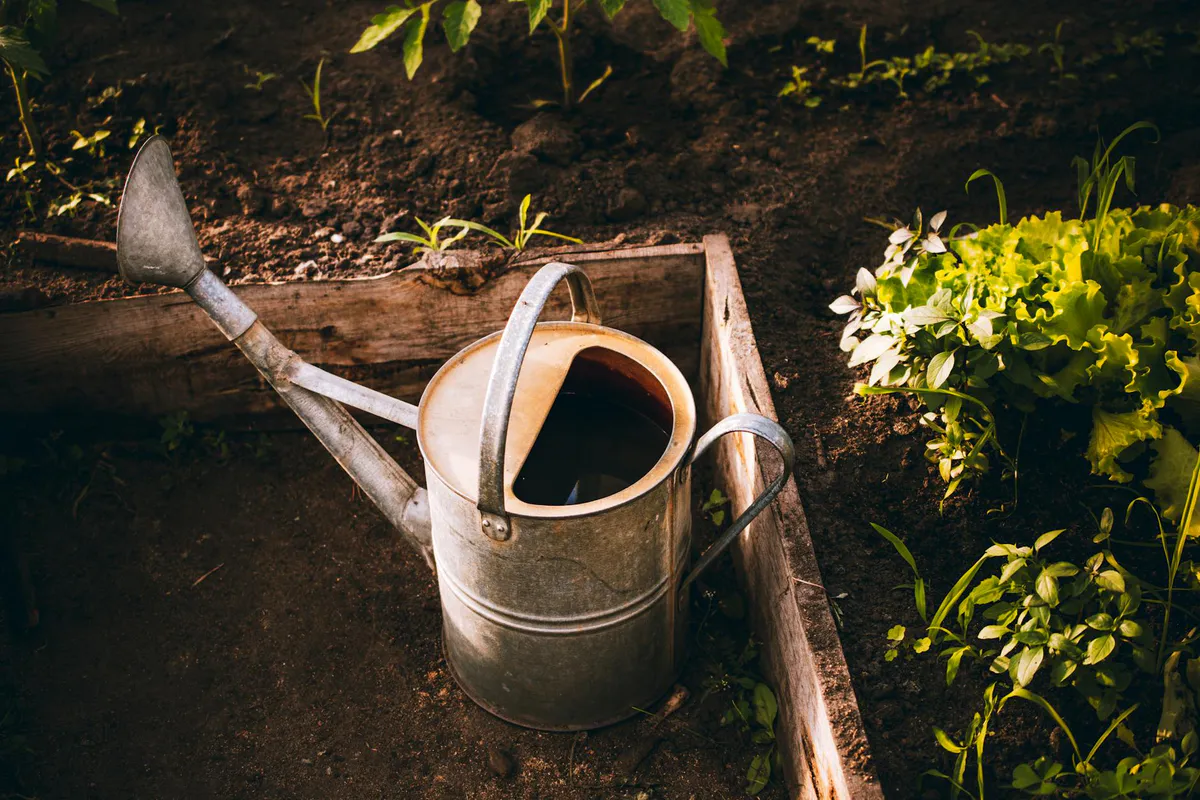
This is the part that matters. Raised beds earn their cost when you have a real problem they solve.
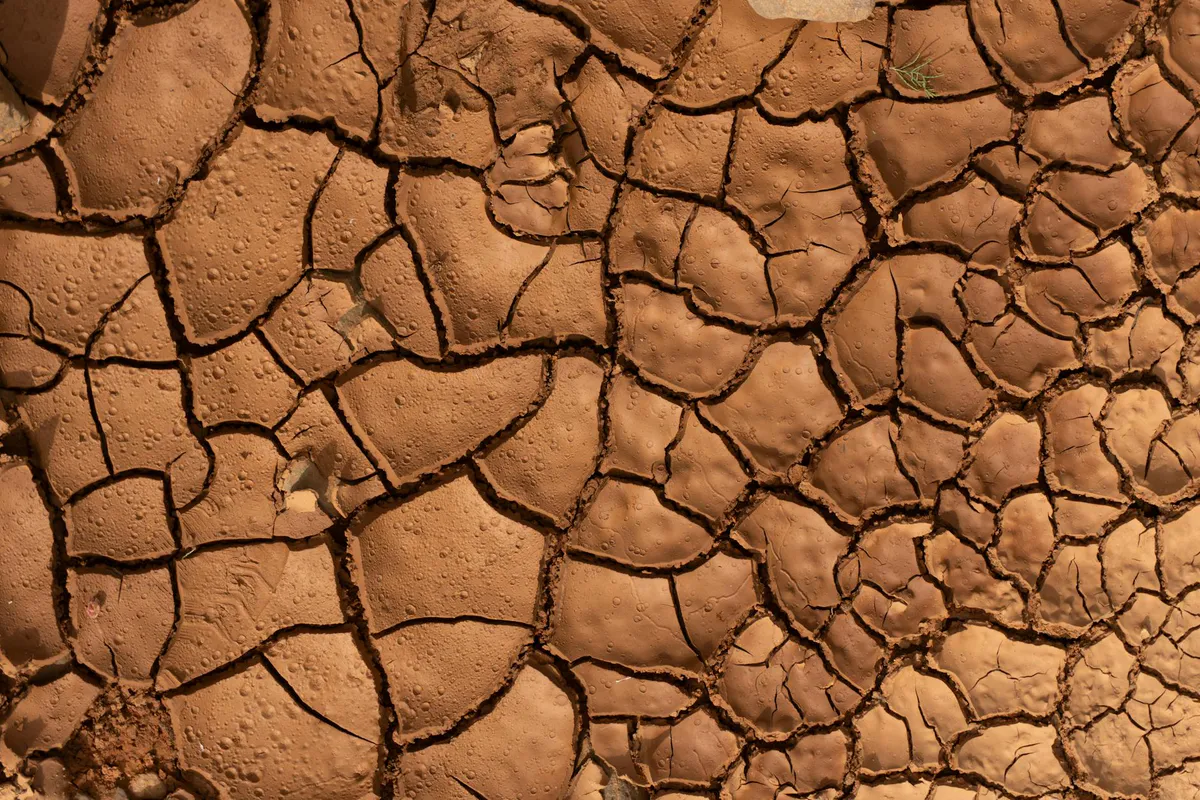
Heavy clay or rocky soil. If your native ground is dense clay, raised beds are often the fastest path to growing anything at all. Instead of spending years amending clay, you start with good soil immediately. For most small yards on bad dirt, this alone justifies a bed.
Poor drainage. If water pools after rain, roots rot. A raised bed lifts the root zone above the soggy layer and drains freely. Owners with low, wet spots report this is the single biggest improvement they get.
Back, knee, or mobility strain. A foot or two of height saves a lot of bending. Taller beds save even more. If gardening hurts, raised beds can be the difference between keeping the hobby and quitting it. This is a quality-of-life payoff, not a yield one, and it’s completely valid.
No diggable ground. Patio, gravel, tree roots, buried lines. If you can’t dig, the choice is made for you.
A growing family hitting these reasons at once is exactly who benefits most, which is why we walk through a real setup in raised beds for a family of three.
When they’re NOT worth it (good native soil, tight budget)
Flip side. If none of those problems apply, raised beds can be money spent on tidiness.
You already have good soil. Loose, dark, well-draining native soil is a gift. Building a box of purchased soil to sit on top of it is, frankly, a downgrade in some ways, because you cut the plants off from the deep moisture below. Just garden in the ground and spend the savings on plants.
You’re on a tight budget. The soil-fill cost is real. If money is the limiting factor, an in-ground row or a couple of fabric pots will grow the same tomatoes for a fraction of the outlay. Start there, see if you even enjoy it, then upgrade.
You’re not sure you’ll stick with it. Don’t build permanent infrastructure for a maybe. Try one season cheap first.
If you’re brand new to all of this, read starting a backyard food garden before you decide on a bed at all. It’ll tell you whether you even need one.
Do raised beds dry out too fast?
Yes, somewhat. This is the real trade-off nobody mentions when they’re selling you on drainage.
The same free drainage that saves you in a wet yard works against you in a dry summer. A raised bed has more exposed surface and isn’t wicking moisture up from deep soil, so it dries faster than the surrounding ground. In hot weather you’ll water more often than an in-ground gardener would.
It’s manageable. A layer of mulch on top cuts evaporation a lot. Drip irrigation on a timer handles it without thought. Metal beds in particular can heat up at the edges in full sun, so the outer few inches of soil dry quickest. Just know going in that “great drainage” and “needs more watering” are the same feature viewed from two seasons.
How long does a raised bed last? (metal vs cedar)
Depends entirely on the material, and this changes the math more than people expect.
Untreated cedar is the classic. It resists rot naturally and looks great. In our research, cedar beds typically hold up several years to a decade depending on climate and how wet they stay. Cheaper softwood (pine, fir) rots faster, sometimes in just a few seasons. Cedar is the comfortable middle: it costs more up front but pays back in years of service.
Coated metal (galvanized or powder-coated steel) lasts the longest by a wide margin. The specs show good metal beds rated for well over a decade, often closer to twenty years, with no rot at all. They cost more up front and can run warm in full sun, but if you want to set it and forget it, metal wins on lifespan per cost. If the heat or the coating gives you pause, we dug into whether metal raised beds are safe and how hot the soil actually gets.

So the lifespan question is really a budget-timing question. Cheap softwood means rebuilding sooner. Cedar buys you years. Metal buys you the longest stretch before you ever touch it again.
The verdict for a small yard
Here’s the honest call.
If you have bad soil, poor drainage, a sore back, or nothing diggable, raised beds are worth it. Easily. They solve a real problem and the comfort payoff alone justifies the cost for a lot of homeowners.
If you have good native soil and a tight budget, they’re probably not worth it yet. Garden in the ground, spend the savings on plants, and revisit the idea once you know you love it.
And if you’re somewhere in the middle and just curious, do the cheap version first. One fabric bed or one budget cedar kit, one season, see how it goes. That’s the lowest-risk way to get an honest answer for your own yard rather than someone else’s.
When you’re ready to choose a frame that’ll actually last, our best raised bed kits roundup is the next stop.