
On this page · 9 sections
So you are standing in the backyard wondering if a few hens make sense. Here is the honest answer most chicken blogs bury under photos of fluffy chicks: backyard chickens are worth it, but almost never because they save you money in year one. The startup cost is a real one-time hit, feed is a steady monthly drip, and four hens will not out-compete a carton of store eggs on price for a long time. What you actually buy is egg quality, reliability, and the low-grade joy of walking out to a nest box every morning. If that sounds worth it to you, it probably is. If you are doing it purely to beat grocery prices, the math will disappoint you.
Small Property Living is reader-supported. As an Amazon Associate we earn from qualifying purchases, at no extra cost to you.
Are backyard chickens actually worth it?
Short verdict up top: yes, for most suburban homeowners who want better eggs and enjoy a small daily routine. No, if your only goal is cheaper eggs.
Here is the framing that keeps people honest. There are three buckets of cost: a big one-time startup outlay, a modest but constant ongoing cost (feed is the headliner), and the value of the eggs you collect back. In year one the startup bucket swamps everything, so you are effectively paying a premium per egg. By year two and three, once the coop is paid off, the gap narrows a lot. Even then, four hens rarely undercut the cheapest grocery eggs. They reliably beat premium pasture-raised eggs on both freshness and cost, which is the comparison that actually matters for most people.
So the real question is not “are chickens cheap” but “is the experience plus better eggs worth a modest ongoing cost.” For a lot of suburban families, it is.
What it costs to START keeping chickens (coop, run, brooder, birds)
Startup is the scary number. It is a significant one-time outlay, and it is almost always larger than first-timers expect. Four buckets drive it.
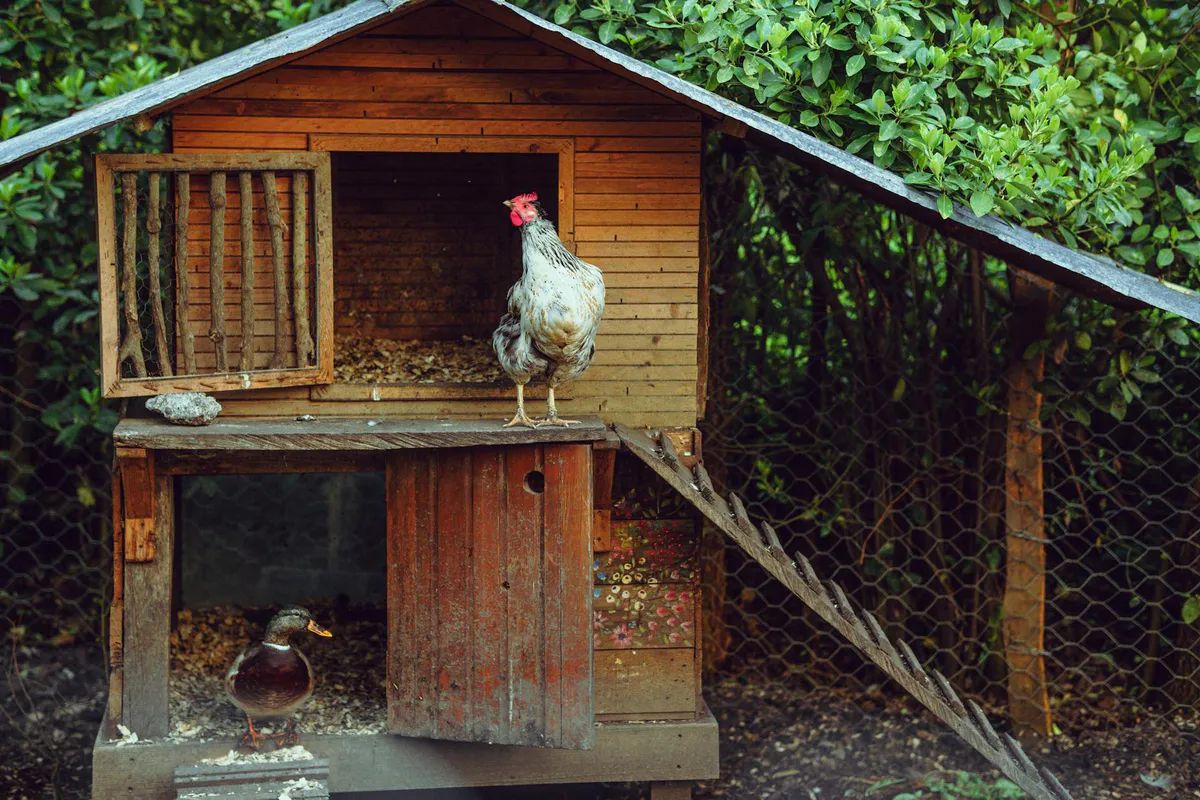
The coop is the single biggest line item, full stop. Everything else combined usually costs less than a decent coop. You can spend a little or a lot here, and it is the one place where buying cheap twice is a real risk. A flimsy coop that a raccoon peels open is not a bargain.
The run is bucket two. Even with backyard free-ranging, you want a secure enclosed run for the hours you cannot supervise. You can DIY a run from lumber and hardware cloth for less than a kit, but it still costs real money in materials.
The brooder is bucket three and the one people forget. If you start with chicks instead of grown hens, you need a heat source, a brooder box, a chick feeder and waterer, and a few weeks of starter feed before the birds ever set foot in the coop. It is a small bucket, but it is not zero.
The birds themselves are bucket four, and here is the surprise: live birds are the cheapest part of the whole startup. Four chicks cost a tiny fraction of the coop. The infrastructure is the expense, not the chickens.
If you want a predator-resistant coop that you can hose clean and that lasts for years, the molded-plastic route is worth a look.
For a fuller head-to-head on coops sized for a small flock, see our best chicken coops roundup and the best coop for four hens guide.
What it costs to keep 4 chickens per year (feed, bedding, health)
Once the coop is built, ongoing cost is much gentler. Feed is the biggest recurring expense by a wide margin. Four hens go through a manageable amount of layer feed per week, and that bag is the line item you will buy again and again all year. Everything else is rounding error next to feed.
Bedding is second. Pine shavings or straw for the coop floor and nest boxes, refreshed regularly, is a steady but small cost. Compost it and you claw a little value back into the garden.
Health is the wildcard. In a normal year it is close to nothing: maybe some diatomaceous earth for mites and a bag of grit and oyster shell. The risk is the bad year. One sick bird and a vet visit (many vets do not even see chickens) can blow past your entire annual feed bill in a single afternoon. Budget mentally for it even if it never happens.
The good news: feed cost is the lever you can actually pull. Most of the waste in a backyard flock is feed that gets scratched onto the ground or eaten by rodents at night. A treadle or rodent-proof feeder pays for itself by plugging that leak.
Compare a few options in our best chicken feeders guide before you settle on one.
Do backyard chickens actually save money on eggs?
Here is the question everyone really wants answered. The blunt truth: in year one, no. Almost never. The startup outlay spread across one year of eggs makes your homegrown eggs cost dramatically more per dozen than anything on the shelf.
The math improves with time. Four good layers produce roughly 800 to 1,000 eggs across a full year, which is a lot of eggs. Once the coop is a sunk cost, you are only paying feed and bedding against that egg count, and the per-dozen number drops hard. By year two or three you are in real contention.
But contention with what? That is the catch. Backyard eggs rarely beat the cheapest factory-farm eggs on price. They handily beat premium pasture-raised and organic eggs, which is the fair comparison since that is the quality you are actually producing. So the honest version is this: if you currently buy the cheapest eggs available, chickens will not save you money. If you buy the good eggs, chickens can match or beat them after the coop is paid off, while giving you fresher eggs you cannot buy at any price.
The other quiet payoff is reliability. When store shelves are empty or prices spike, your nest box does not care. That self-reliance is hard to put a number on, but it is real.
Are chickens expensive compared to a dog or cat?
A useful gut check: are chickens expensive to keep next to a pet you already accept? Not really.
The ongoing cost of four hens (feed plus bedding) sits in the same neighborhood as feeding a medium dog or a couple of cats, and often a bit less. The difference is direction. A dog or cat is pure outflow. You feed it, you love it, and it gives you companionship in return. Chickens cost in the same ballpark but hand you 800 to 1,000 eggs a year, garden compost, and bug control on top of the companionship. They are the rare pet with a partial rebate.
The startup is where they diverge. A coop is a larger one-time cost than adopting a cat. But the recurring side is comparable, and the chickens pay a dividend the cat never will.
How hard is it? (the time cost)
Money is only half of “worth it.” Time is the other half, and it is where people quit.
The daily commitment is small but non-negotiable: a few minutes morning and evening to open the coop, top up food and water, and collect eggs. Call it five to ten minutes a day. The weekly task is a coop tidy and bedding refresh. The big job is a deep clean every few weeks, which takes a chunk of an afternoon.
None of this is hard. The catch is that it is daily. Chickens do not do weekends off. The five minutes is trivial until it is raining, you are running late, and the coop still needs opening. People who enjoy a small outdoor routine love it. People who resent any fixed daily chore should know that going in.
Hidden costs people forget (predator-proofing, winter, vacation care)
Three costs ambush new owners because they are invisible at the chick stage.
Predator-proofing is the big one. Raccoons, hawks, foxes, neighborhood dogs, and even rats all want your flock or its feed. Real protection means hardware cloth (not chicken wire), buried or skirted fencing, and secure latches a raccoon cannot work open. This is a cost, and skimping on it is how people lose a whole flock in one night.
Winter is cost number two. Cold-hardy breeds do not need heat, but you may need a heated waterer to stop freezing, extra bedding, and you will eat fewer eggs because production drops with short days. It is a seasonal dip in value, not a disaster, but it surprises people who expected eggs all year. Most of it is manageable with low-tech fixes, which our guide to keeping chickens warm in winter without electricity walks through.
Vacation care is the sneakiest. Chickens cannot be left with a big feeder for a week the way you might leave a cat. Someone has to open and close the coop, refresh water, and collect eggs daily. That means a paid sitter or a willing neighbor every single time you travel. Factor it in before you commit.
What to do when hens stop laying
This is the cost nobody warns you about, and it is more emotional than financial. Hens lay well for two to three years, then production tapers. A hen can live many years past her productive prime, still eating feed, still needing care, and laying little or nothing.
You have three honest paths. Keep them as pets and accept the ongoing feed cost for birds that no longer produce. Many suburban owners happily do this. Rehome them to someone who wants pet hens. Or process them, which most suburban keepers are neither willing nor zoned to do.
There is no wrong answer, but there is a wrong move: not deciding in advance. Go in knowing your flock will outlive its laying years and that you are signing up for the care either way. It changes the long-run math and, more importantly, it is the fair thing to know before you buy chicks.
So who are backyard chickens worth it for?
Pulling it together. Backyard chickens are worth it if you want better eggs than you can buy, enjoy a small daily outdoor routine, value a bit of self-reliance, and can absorb a one-time startup outlay without expecting it back quickly in egg savings. For that person, four hens are an easy yes.
They are not worth it if your sole goal is cheaper eggs than the discount carton, if a fixed daily chore will grind on you, or if frequent travel makes reliable coop care a problem.
If you are leaning yes, start by checking that hens are even allowed where you live in our can you have chickens in town guide, then size your flock with our how many chickens for a beginner breakdown. Get those two right and the cost question mostly takes care of itself.